2010 - willow weaves
Below is a chronological timeline of the year's defining moments, featuring key quotes from Steve Jobs, followed by my own personal thoughts and reflections on experiencing this historic era firsthand.
January 27, 2010 — The iPad Introduction (San Francisco)
- Steve Jobs sits comfortably in a leather armchair on stage at the Yerba Buena Center to unveil Apple's "latest creation": the original iPad. Positioning it as an entirely new category of device between the smartphone and the laptop, the tablet features a 9.7-inch multi-touch display explicitly optimized for web browsing, media consumption, gaming, and reading. To power the new tablet hardware, Apple debuts its very first custom-designed silicon processor, the Apple A4 chip, reducing dependency on third-party semiconductor companies.
Apple is a mobile devices company. That's what we do... And the reason that we’re able to create products like this is because Apple has always stood at the intersection of technology and the liberal arts. We try to romance the technology, to bring the best of both these worlds together to create something that is intuitive, powerful, and truly delightful for the user.
April 8, 2010 — iPhone OS 4 Sneak Peek (Cupertino)
- Steve Jobs hosts a specialized media gathering to preview the massive programmatic leaps coming to Apple's mobile platform, demonstrating native multitasking application execution architectures for the first time.
We’re introducing multitasking in iPhone OS 4. Now, we weren't the first to the party, but we're going to be the best.
June 1, 2010 — D: All Things Digital Conference (D8)
- When Jobs finally returned to the All Things D stage the year after his transplant, he was noticeably thinner but incredibly sharp, defensive, and ready to outline the next decade of technology.
When we were an agrarian nation, all cars were trucks because that's what you needed on the farms. PCs are going to be like trucks... as other form factors, like the tablet, become the 'cars.'
June 7–11, 2010 — WWDC 2010 (San Francisco)
- Steve Jobs takes the stage to unveil a complete, breathtaking industrial redesign of Apple’s smartphone: the iPhone 4. Abandoning the curved plastic backplates of the past, the new phone features an ultra-thin 9.3mm chassis constructed from two sheets of chemically strengthened aluminosilicate glass bound together by a structural stainless-steel band that acts as the phone's internal antenna array.
- The iPhone 4 introduces the Retina Display, quadrupling the pixel density of previous models to 326 pixels per inch, rendering text and graphics so sharply that individual pixels are completely invisible to the human eye.
- Apple launches its iconic front-facing video communication architecture, FaceTime, alongside a built-in 5-megapixel rear camera capable of capturing native 720p HD video.
Today, we’re introducing the iPhone 4. It has over one hundred new features, and it is stunning. This is one of the most beautiful designs you've ever seen. It’s got glass on the front and back, and a stainless steel band around the edge. It is the thinnest smartphone on the planet. This isn't just a spec bump; this is a giant leap forward.
July 16, 2010 — The "Antennagate" Press Conference
- Facing a massive media firestorm regarding an antenna design flaw where holding the iPhone 4 in a specific way caused cellular signal dropouts (colloquially dubbed "Antennagate"), Steve Jobs cuts a family vacation short to host an emergency press briefing at Infinite Loop.
- He delivers a masterfully calculated defense of Apple's engineering metrics, famously stating: "We're not perfect. Phones aren't perfect." To resolve user anger, Apple promises to distribute free bumper cases to all iPhone 4 buyers and issues an emergency iOS software update to fix how cellular signal bars are visually calculated.
When we got into this trouble, we didn’t hire some PR firm to spin it. We spent the last twenty-two days digging into the engineering data to understand exactly what was going on. We are an engineering-driven company, and we wanted to solve the problem with facts.
September 1, 2010 — Apple Special Music Event (San Francisco)
- Apple heavily overhauls the iPod ecosystem for the mobile application era by launching the 4th-Generation iPod touch. It shrinks down to an impossibly thin frame while gaining the A4 chip, the high-resolution Retina Display, and front/rear cameras to support FaceTime video calling. The mid-tier music line is radically redesigned via the 6th-Generation iPod nano, completely dropping the Click Wheel, video camera, and speaker of the previous version to become a tiny, wearable multi-touch square box that early accessory makers immediately begin strapping to their wrists as a precursor to the modern smartwatch. The 4th-Generation iPod shuffle brings back the beloved physical tactile click buttons from the second-generation clip-on framework, correcting the buttonless remote error of the third-generation model.
- Apple breathes new life into its living room hardware strategy by launching the 2nd-Generation Apple TV for $99. Shrunk down to a quarter of its original size and encased in sleek black plastic, it drops internal storage entirely to rely purely on digital media streaming, while AirTunes is formally upgraded and rebranded as AirPlay.
We’ve learned a lot from the original Apple TV. We asked our users what they wanted, and they told us: no computers, no complicated syncing, no managing storage, and they don’t want to buy movies, they just want to rent them.
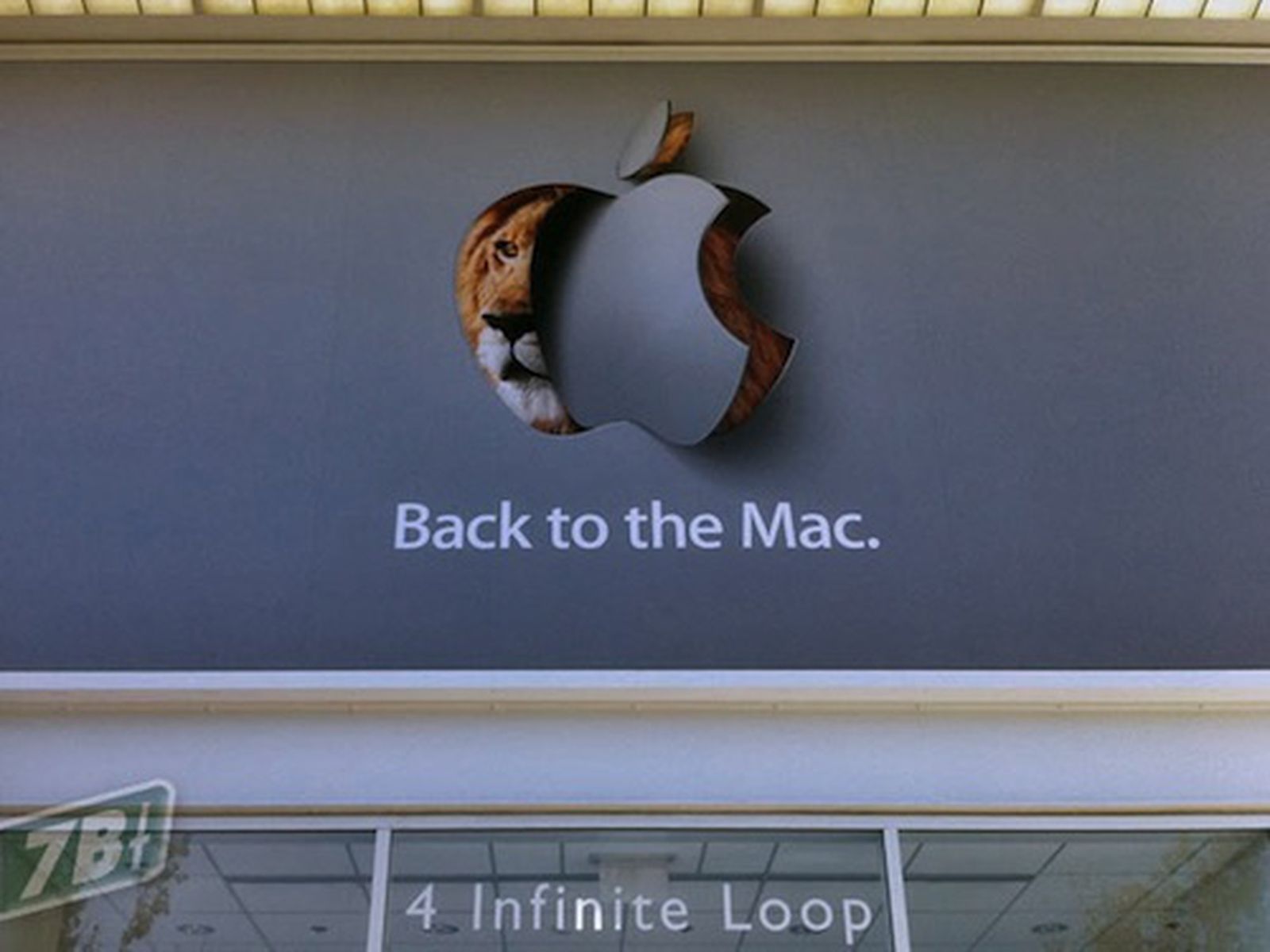
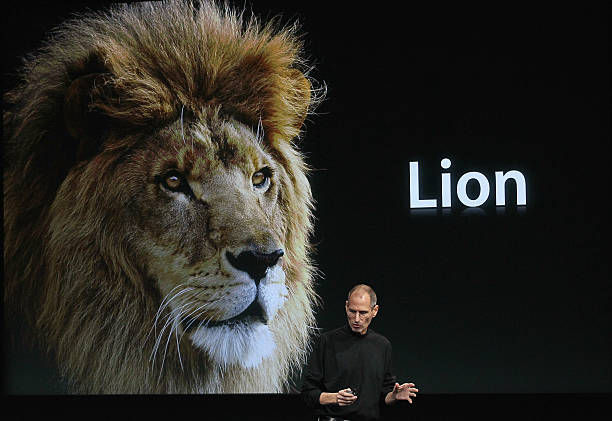
October 20, 2010 — "Back to the Mac" Special Event (Cupertino)
- Apple completely reinvents its entry-level notebook by launching the 2nd-Generation MacBook Air. Permanently abandoning mechanical spinning hard drives and optical drives, the redesigned unibody aluminum wedges use blade-shaped solid-state flash storage exclusively and expand the lineup to include an ultra-portable 11.6-inch form factor starting at just $999.
We've had an incredible run with the iPhone and the iPad over the last few years. We’ve pioneered a lot of technologies on our mobile devices... and we asked ourselves, 'What happens when we take those great innovations and bring them back to the Mac?'

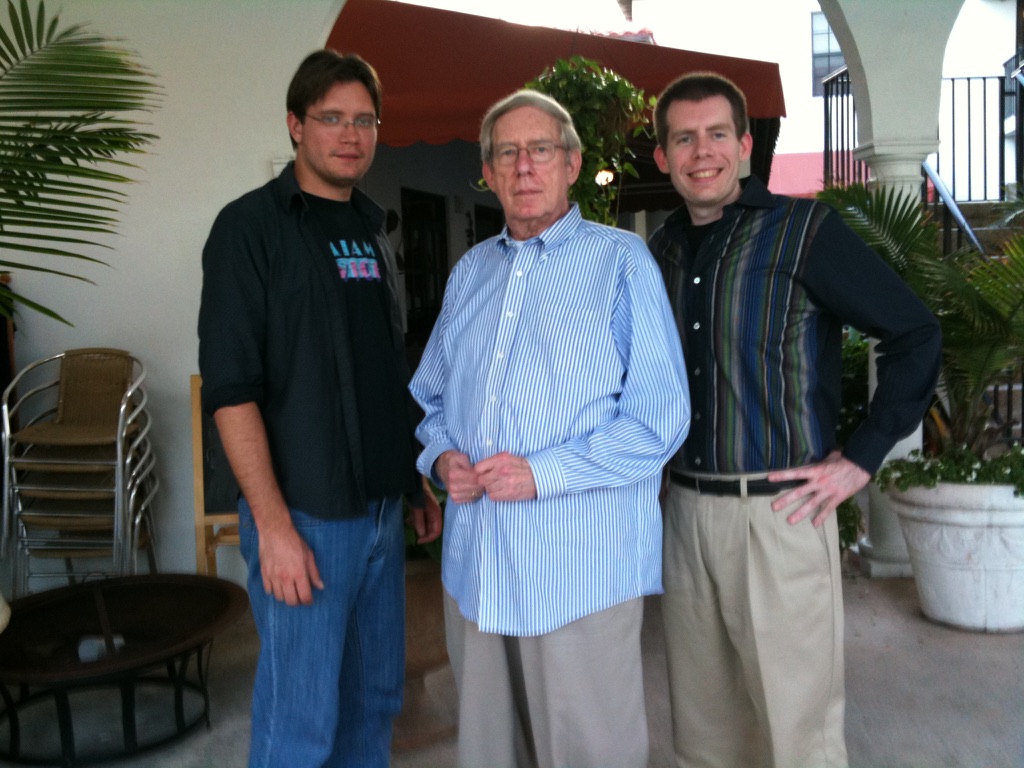
For as long as I could remember, I was incredibly fortunate to share my deep love for Apple and my profound admiration for Steve Jobs with my father. That beautiful bond remained unbroken until his passing at seventy-two years old on January 19, 2010. Looking back at the map of my life, his fingerprints are over every single mile of my tech journey.
He was the one who ignited it all by purchasing my very first computer, an Apple IIc, back in 1984. When my interests later shifted into the broader tech landscape, he fully supported my passion through years of navigating MS-DOS commands and configuring Windows rigs. He was the father who indulgently allowed me to stay out well past midnight on my own, trusting me to go catch the legendary midnight release of Windows 95 at CompUSA. He was also the companion who fueled our own late-night adventures with runs for Dairy Queen milkshakes, and the one who sat right beside me for viewings of Triumph of the Nerds as we absorbed the history of the personal computer revolution. Looking back after a recent rewatch of the series, I now recognize that sharing those hours with him was a defining moment in my life; had it not been for our routine of watching television together, I likely would have missed the documentary entirely at that pivotal age. With every subsequent viewing, I find myself taking away more insight and nuance from it, yet it still sparks the exact same raw excitement today as it did back in 1996—a vibrant, lingering echo of what it felt like to simply spend time with my father.
When I felt the pull toward the future Apple was building, he was the one who bought me my very first Macs. He drove me to Macworld New York, and funded my trip to San Francisco in January 2008. I had never even been to San Francisco, and this was my very first time ever traveling to California, all so I could stand in the crowd and hear Steve Jobs speak at his final Macworld keynote.
Years later, I learned that a dying Steve Jobs spent his final months obsessively designing a forest of thousands of native trees to leave a sanctuary behind for Apple. But my father, the Willow (the Wiz), did it effortlessly. He planted his roots directly into me through a new movie, milkshake runs, and the quiet rhythm of our favorite routines—whether we were cheering on the New York Knicks, adventuring with Star Trek, or sitting side-by-side absorbing the history of the digital age. He left me with an enduring, sheltering shade that no amount of money could ever buy.
Steve Jobs and the world he built continues to influence and inspire me—but not nearly as much as the world my father gave me does.

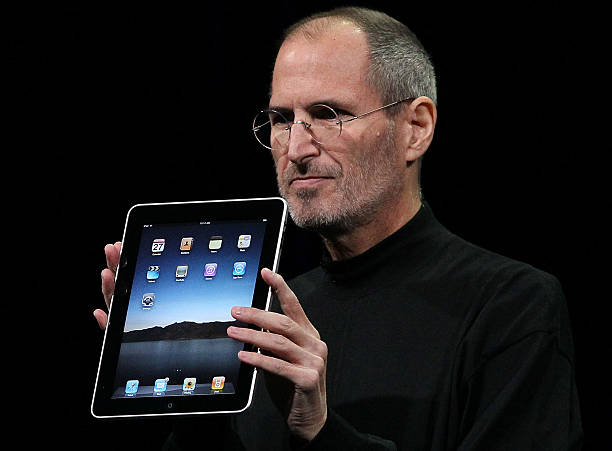

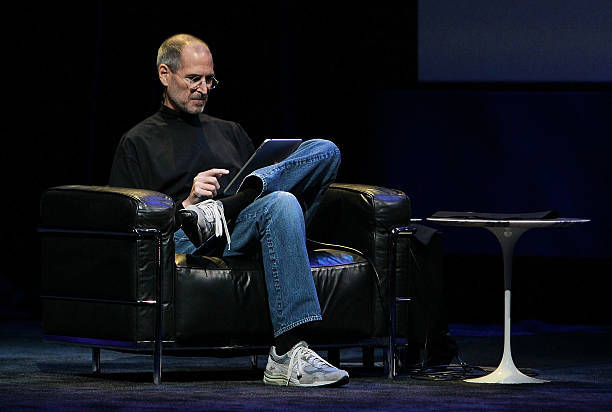

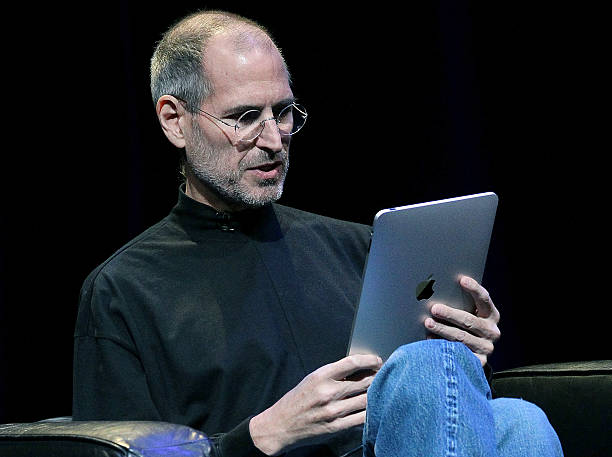

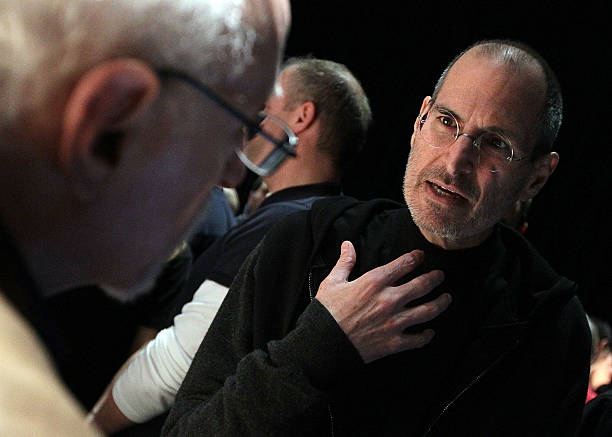
The moment Steve Jobs pulled back the curtain on the iPad in January 2010, I knew it was destined for me. I could see the vision immediately. Looking back, that single device kicked off nearly two decades of a touch-first personal computing philosophy where, for a massive stretch of my life, the iPad proudly served as my primary computing device.
Yet, my history with it almost didn't start on time. On launch day—Saturday, April 3, 2010—I was tracking the shipment with bated breath, and the flight from Incheon was missing. I don't think Apple ever released a new product on a Saturday again. I thought for sure I'd be stuck waiting through the weekend, but against all odds, the logistics gods pulled through and it made it to my doorstep before the day was out. The experience of unboxing it was pure magic. It felt like a pane of glass that could become anything you wanted it to be, and I began taking it absolutely everywhere with me.

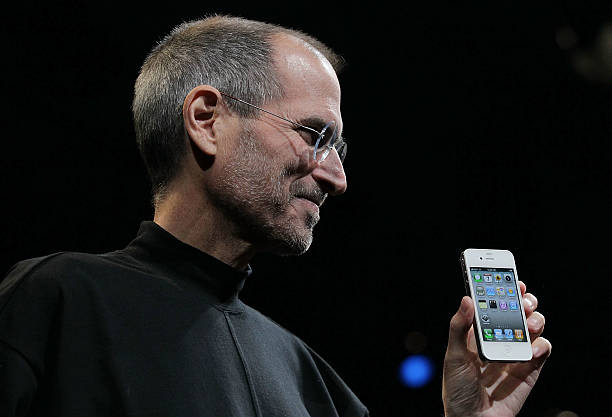

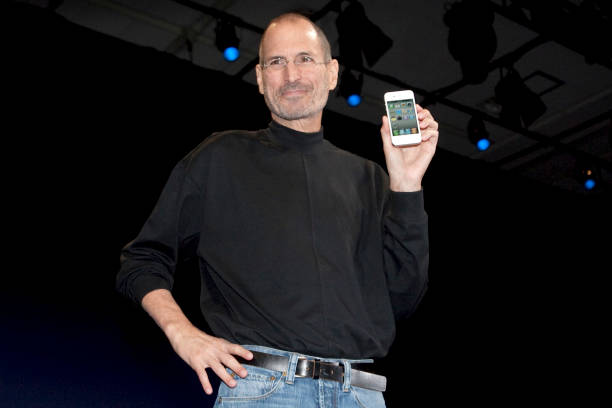
Even to this day, the iPhone 4 stands as one of the most drop-dead gorgeous pieces of technology hardware ever manufactured. Moving away from the plastic, curved backs of the previous generations, that glass-and-steel sandwich enclosure was utterly striking—it looked and felt like a precision Leica camera.
When you turned the display on, the leap forward was even more profound. The brand-new Retina Display was absolutely jaw-dropping; the pixel density was so incredibly sharp that text looked like a beautifully printed magazine page, rendering individual pixels completely invisible to the eye. While the tech world spent that summer locked in the dramatic throes of the "Antennagate" media frenzy, I completely bypassed the chaos. I never experienced a single dropped call or signal dip—most likely because I had already proactively procured a rubber Apple Bumper, which kept my grip perfectly insulated from the steel antenna band anyway.



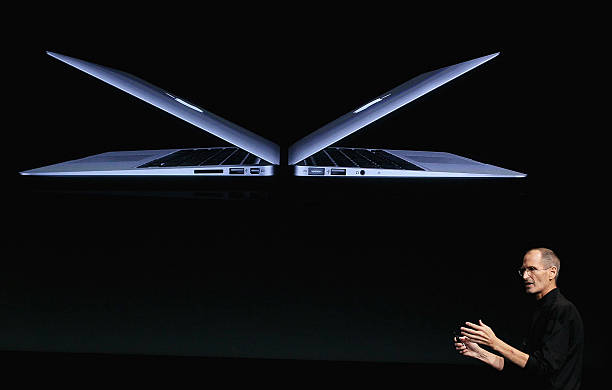
Thanks to my mom, I was upgraded to a fully-loaded 2010 MacBook Air felt like stepping directly into the future. By completely banishing the spinning mechanical hard drive in favor of blade-style flash storage built right onto the logic board, the Air delivered an "instant-on" responsiveness. The display resolution actually jumped from the MacBook's 1280x800 up to a much crisper, roomier 1440x900 with a massive slab of battery cells, in an impossibly thin aluminum wedge that tapered down to practically nothing was an engineering marvel.
The final piece of the 2010 trilogy was the completely reimagined, puck-sized Apple TV. My journey with this one came with a bit of a headache; the original shipment somehow got lost or stolen in transit, forcing Apple to dispatch a replacement unit. But when the secondary package finally arrived on my porch later that autumn, the sheer physical transformation of the device was shocking. It was surprisingly small—shrinking down to just a quarter of the size of the silver, hard-drive-mapped original.