2011 - stay hungry, stay foolish
Below is a chronological timeline of the year's defining moments, featuring key quotes from Steve Jobs, followed by my own personal thoughts and reflections on experiencing this historic era firsthand.
January 17, 2011 — The Final Medical Leave
- Steve Jobs sends a poignant internal email to all Apple employees announcing that the board has approved another medical leave of absence so he can focus entirely on his health. While retaining his title as CEO to guide major strategic decisions, he hands full day-to-day operational control over to Chief Operating Officer Tim Cook.
March 2, 2011 — iPad 2 Introduction (San Francisco)
- Intercepting his medical leave to a roaring, extended standing ovation, Steve Jobs steps onto the stage at the Yerba Buena Center to announce the iPad 2. The iPad 2 features a stunning, 33% thinner industrial design that makes it noticeably thinner than even the iPhone 4. It debuts the dual-core Apple A5 silicon chip, integrates front and rear cameras, introduces a gyroscope, and rolls out the magnetic, origami-folding Smart Cover peripheral accessory line.
It’s in Apple’s DNA that technology alone is not enough. It’s technology married with liberal arts, married with the humanities, that yields us the result that makes our heart sing. And nowhere is that more true than in these post-PC devices.
June 6, 2011 — WWDC 2011 (San Francisco)
- Steve Jobs takes the stage for what would become the final keynote presentation of his life. Rather than closing with hardware, he completely re-architects Apple's operational future by introducing iCloud. Rebuilding the failed MobileMe architecture from scratch, iCloud is free and turns the cloud into the central hub of a user's digital life, demoting the Mac and PC to mere client devices and introducing wireless data syncing for contacts, calendars, photos, and documents.
We’ve been working for ten years to get rid of the file system so the user doesn’t have to learn about folders and directories. A user shouldn't have to think about where a file is saved; it should just be there inside the app, seamlessly synced across everything they own.
June 7, 2011 — The Apple Park Presentation (Cupertino)
- Just one day after his final WWDC keynote, Steve Jobs makes a surprise public appearance before the Cupertino City Council. He personally pitches the architectural layout plans for Apple Campus 2 (now known as Apple Park), describing a gargantuan, four-story curved-glass circle that looks like a "spaceship landed." It stands as his final public presentation to the outside world.
I think we have a shot at building the best office building in the world. I really do think architecture students will come here to see it. We want to build something that Apple and the city of Cupertino can be proud of for generations.
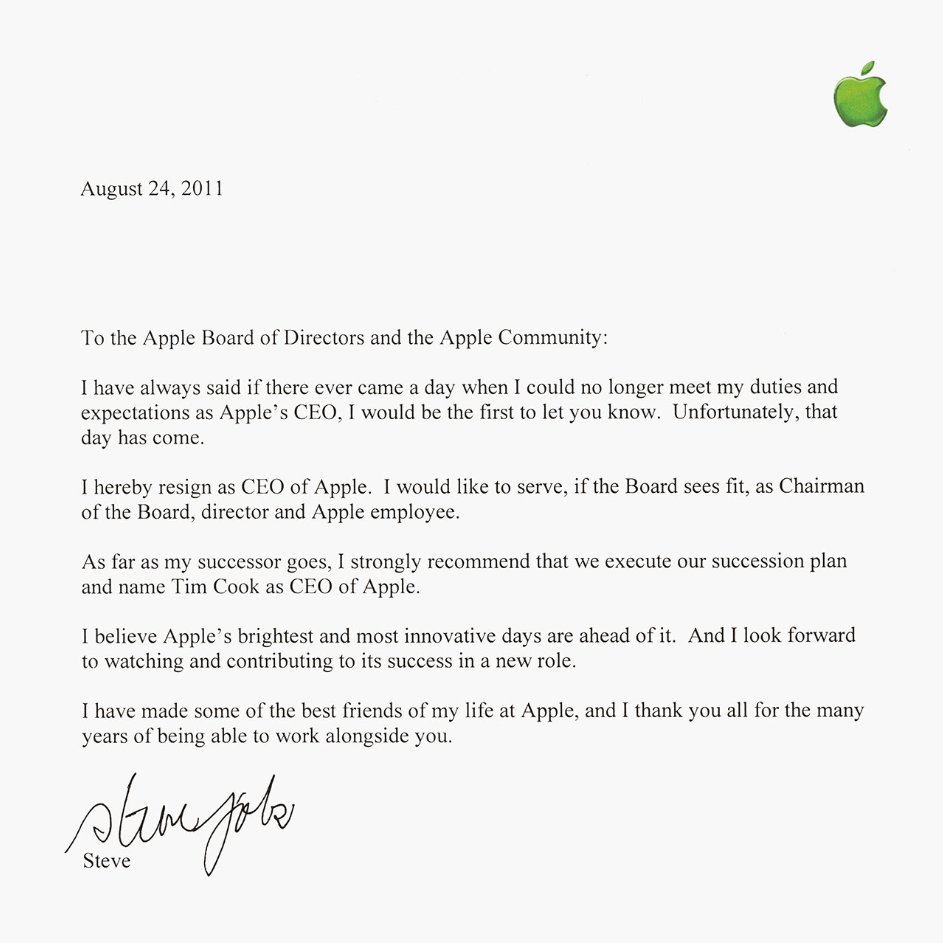
August 24, 2011 — Steve Jobs Resigns as CEO
- Steve Jobs formally resigns as Chief Executive Officer, stating he can no longer meet the duties and expectations required of the role. The Board of Directors officially names Tim Cook as Apple's permanent Chief Executive Officer, while Jobs transitions to a newly created role as Chairman of the Board.

October 4, 2011 — "Let's Talk iPhone" Special Event (Cupertino)
- There was a highly visible, poignant detail in the front row of Apple’s intimate Town Hall auditorium: an empty seat draped with a black cloth and a card marked "Reserved." Tim Cook steps onto the stage at Infinite Loop to deliver his very first hardware keynote as standing CEO. Senior VP of Product Marketing Phil Schiller introduces the iPhone 4S.
October 5, 2011 — The Passing of Steve Jobs
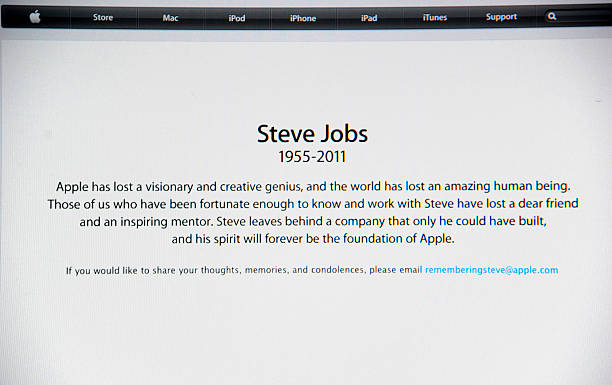
- Just one day after the iPhone 4S announcement, Apple issues a brief, profound statement to the world: Steve Jobs passes away at the age of 56 surrounded by his family. Apple's homepage transitions into a massive, minimalist black-and-white portrait tribute. Millions of fans worldwide construct massive makeshift memorials out of flowers, candles, and Apple sticky-notes outside retail stores globally, mourning the passing of a visionary who fundamentally altered the landscape of modern culture.

October 14, 2011 — The iPhone 4S Hits Retail Stores
- The iPhone 4S hits retail shelves globally alongside the public rollout of iOS 5 and iCloud. Propelled by immense consumer curiosity regarding Siri and an unprecedented emotional wave of tribute buying following Jobs' passing, the iPhone 4S shatters all historical hardware distribution metrics, moving over 4 million units in its opening weekend alone.

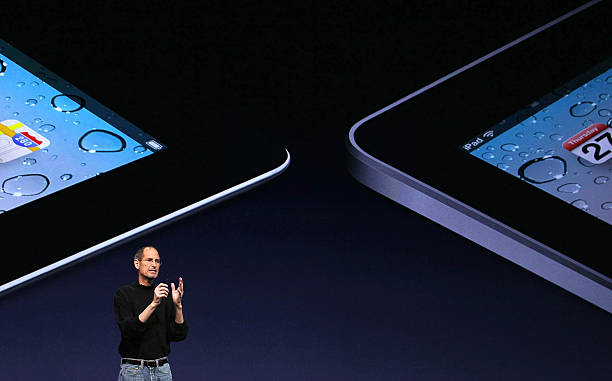
This could be the first (and last) time that a product improved so much in a single year. Although it looked similar on paper, the iPad 2 felt radically different in the hand, and the Smart Cover was an absolute stroke of genius—I loved that the new covers were available in premium leather. This time around, I picked up my iPad 2 in-store just to be safe, and of course, I had to go with the new white model. The iPad 2 will always hold a special place in my heart; it was the final hardware product Steve Jobs ever announced and demoed for us. He truly believed in the iPad as the ultimate device for content consumption, and I completely agreed. It was hard to beat, and until the radical iPad Pro redesign in 2018, nearly every iPad that followed echoed the look and feel of the iPad 2.

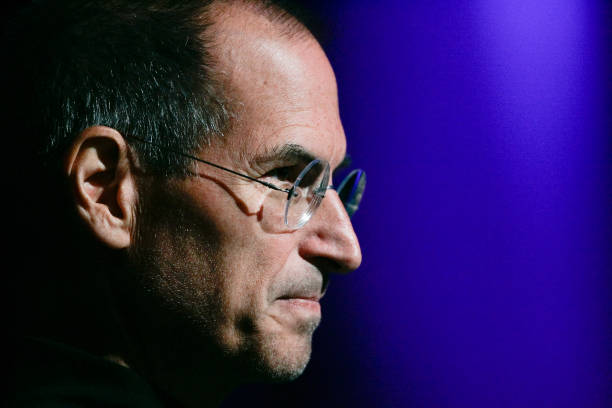

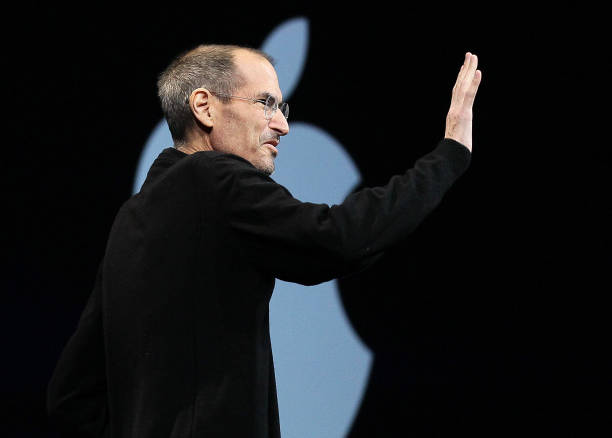

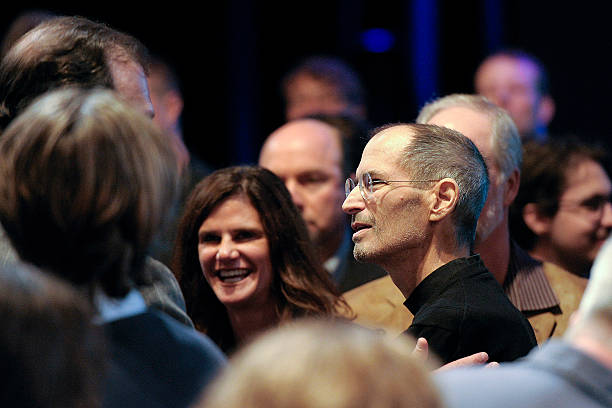

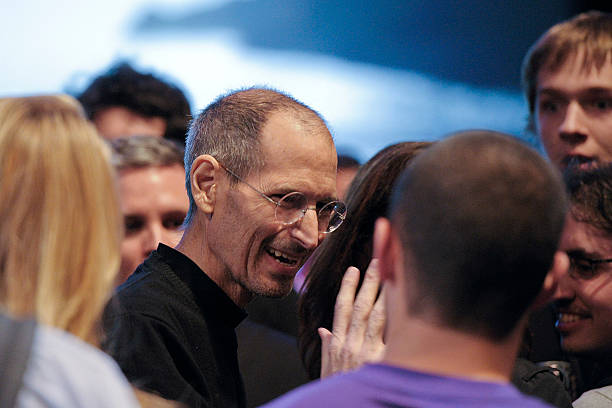
Of all the things Steve Jobs announced that year, not many people probably remember the launch of iCloud. Because it was a service rather than a physical product, it is easy to overlook. But without it, I am not sure the Apple ecosystem would have achieved the seamless "lock-in" we take for granted today. iCloud drives almost everything I love about being in the Apple ecosystem—it seamlessly switches my AirPods between devices, syncs my documents, music, and photos, and allows the applications I use every day to instantly share settings and content. In many ways, Steve made sure we had everything we needed before he left us.
His ability to impact individual lives, however, went far deeper than just the ecosystem he built. I experienced this firsthand. When Steve first returned to Apple back in 1997, I sent him a quick email to show my support. To my absolute amazement, he responded within an hour with a simple: "Thanks, Steve." Stunned, I immediately shot back a follow-up: "Is it really you?" Minutes later, another reply landed in my inbox: "Yup."
Years later, on May 19, 2001, when Apple announced its groundbreaking plan to open retail stores across the country, I emailed him again, telling him how much I would love to be a part of it. The very next morning, my phone rang. It was a woman calling directly from "the Office of Steve Jobs," letting me know that Apple’s Human Resources department would be reaching out to me shortly. Within the hour, I was coordinating a meeting with Apple executives down in Fort Lauderdale. As fate would have it, I didn't end up working for Apple, but I will never forget those moments. The founder and CEO of the world’s most innovative company hadn't just personally answered my emails—he had taken the time to give me a genuine shot at helping him change the world. That was the magic of Steve Jobs.
Which is why the end of that year hit so incredibly hard. I knew something was off when Steve was absent from the iPhone 4S introduction, and a single seat was left empty in the front row, marked simply "Reserved." The very next day, I kept anxiously refreshing Apple's website, and the moment the memorial page loaded, tears immediately welled in my eyes. When Steve had returned to Apple nearly fifteen years earlier, he promised he would surprise us every ninety days. And he did. Because of his singular vision, relentless dedication, and unmatched ability to motivate and lead, the tech landscape moved at a blistering, historic speed. While it certainly helped that the underlying hardware and software were evolving at a pace Apple could capitalize on, it all happened much faster, and much better, because of his hands-on brilliance. Although hardware advancements inevitably leveled off in the years following his passing, I truly believe he would have found a way to make something wonderful, again and again.