2008 - in the air tonight
Below is a chronological timeline of the year's defining moments, featuring key quotes from Steve Jobs, followed by my own personal thoughts and reflections on experiencing this historic era firsthand.
January 15, 2008 — Macworld San Francisco 2008
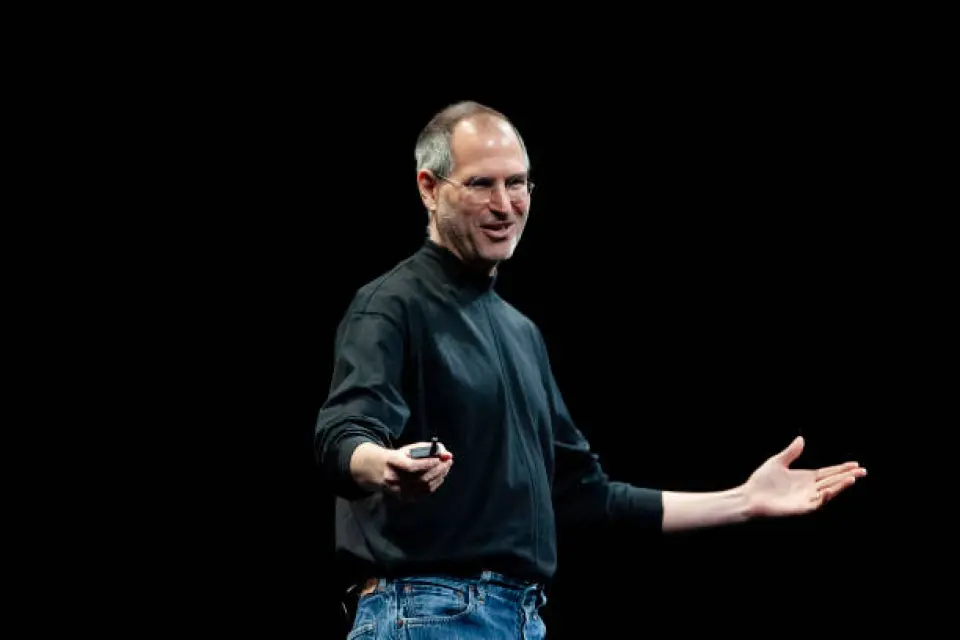
- Steve Jobs walks to the center of the stage, picks up a standard manila office envelope, and slides out the original MacBook Air. Marketed as the world’s thinnest notebook, it completely redefines portable computer architecture by discarding the legacy optical drive and built-in Ethernet port, forcing the industry toward solid-state storage and wireless networking.
- To support wireless data protection for the new notebook era, Apple launches Time Capsule, a dual-band Wi-Fi base station router with an integrated server-grade hard drive built to run automatic background Time Machine system backups.
- The iTunes digital media ecosystem gets a massive boost with the rollout of iTunes Movie Rentals, partnering with every major Hollywood studio to stream titles in standard and high-definition formats.
Intel has built an amazing custom Core 2 Duo processor for us that is sixty percent smaller than their standard packaging, and it allowed us to squeeze the full power of a Mac into something that is less than three-quarters of an inch at its thickest point. It’s an absolute marvel.
March 6, 2008 — iPhone Software Roadmap (Cupertino)
- Apple opens its closed mobile operating system architecture up to global developers, giving them access to core Cocoa Touch frameworks, the accelerometer, and multi-touch engines. To manage and distribute these new mobile applications, Jobs outlines the architectural foundation for the native App Store.
We have a revolutionary new way for developers to distribute their applications to every single iPhone user. It’s called the App Store. It is built right into the iPhone software. Developers can set their own price, or choose to give their applications away for free.
May 28, 2008 — D: All Things Digital Conference (D6)
- The conversation centered heavily on the evolution of the iPhone from a simple device into a dominant software platform. Jobs focused on defending Apple’s controlled ecosystem, expanding digital media, and articulating his long-term vision for mobile computing.
Because the iPhone runs OS X, it means we didn't have to reinvent the wheel. All the security, the networking, the graphics engines—it was already there. When a developer builds an app for the iPhone, they are using enterprise-class tools that took us fifteen years to perfect on the Mac.
June 9, 2008 — WWDC 2008 (San Francisco)
- Steve Jobs formally shifts the smartphone industry into high gear by introducing the iPhone 3G. It patches the performance issues of the original model by adding native 3G cellular network capability, built-in GPS tracking chips, a flush headphone jack, and a lower, highly subsidized entry price of $199.
- Apple launches iPhone OS 2.0, integrating enterprise Microsoft Exchange synchronization tools directly into the core network architecture layers.
- To clean up its spotty cloud services history, Apple completely rebrands the $99-a-year .Mac subscription package into MobileMe. Marketed as "Exchange for the rest of us," it promises seamless, instant push synchronization for emails, contacts, and calendars across the Mac, PC, and iPhone ecosystem.
Just one year after we launched the original iPhone, today we are introducing the iPhone 3G. We've taken everything we learned and made it significantly better. It features high-speed 3G networking, built-in GPS for real-time mapping, a gorgeous new contoured black or white back that feels even better in your hand, and most importantly, it is dramatically more affordable."
September 9, 2008 — "Let's Rock" Media Event (San Francisco)
- Apple refreshes the mobile music landscape by debuting the 4th-Generation iPod nano. It brings back an ultra-slim, vertically oriented curved aluminum chassis available in nine vibrant colors—a design campaign dubbed "Nano-chromatic."
As you can see, the reports of my death are greatly exaggerated. I'm doing well, and I'm thrilled to be here with you today to talk about some great new music products.
October 14, 2008 — Special Notebook Event (Cupertino)
- Steve Jobs and industrial design chief Jony Ive fundamentally change how laptops are built by introducing the "Unibody" design framework. Instead of piecing together multiple plastic and metal parts, Apple begins machining the entire structural chassis of its notebooks from a single block of raw aircraft-grade aluminum.
- The unibody manufacturing breakthrough debuts via the completely overhauled Late 2008 MacBook Pro and a premium, aluminum-clad consumer MacBook configuration.
- Both laptops completely drop mechanical mouse buttons, replacing them with a massive, multi-touch glass trackpad where the entire physical surface clicks down uniformly.
We want to bring our best technology down to our most popular computers. Today, we are replacing the plastic consumer notebook with an all-new, aluminum unibody MacBook. It features a gorgeous LED-backlit glass display, a massive glass Multi-Touch trackpad that eliminates the physical button entirely, and the incredible performance of NVIDIA graphics. It brings the premium DNA of the MacBook Pro down to an incredibly accessible price point.





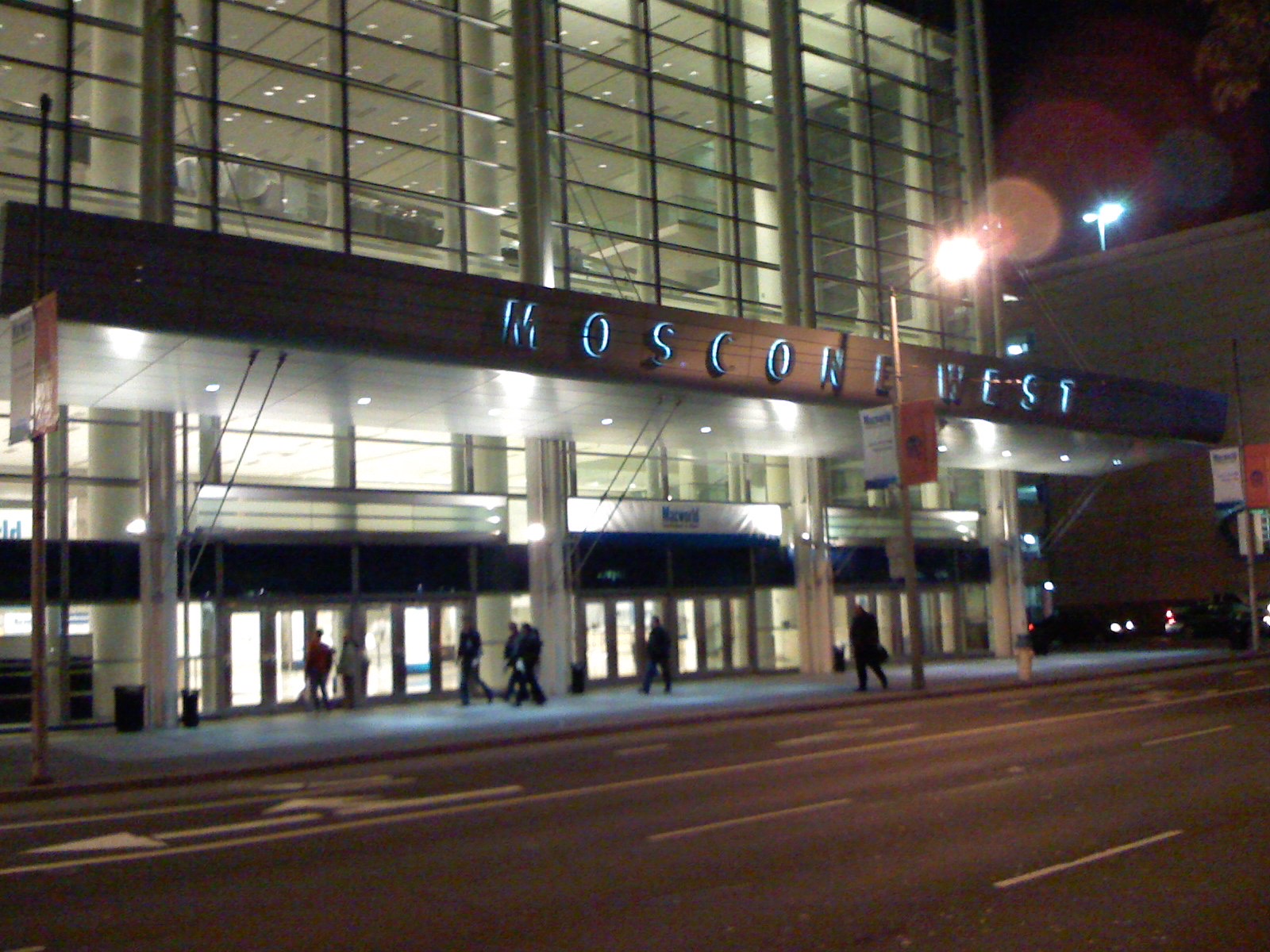

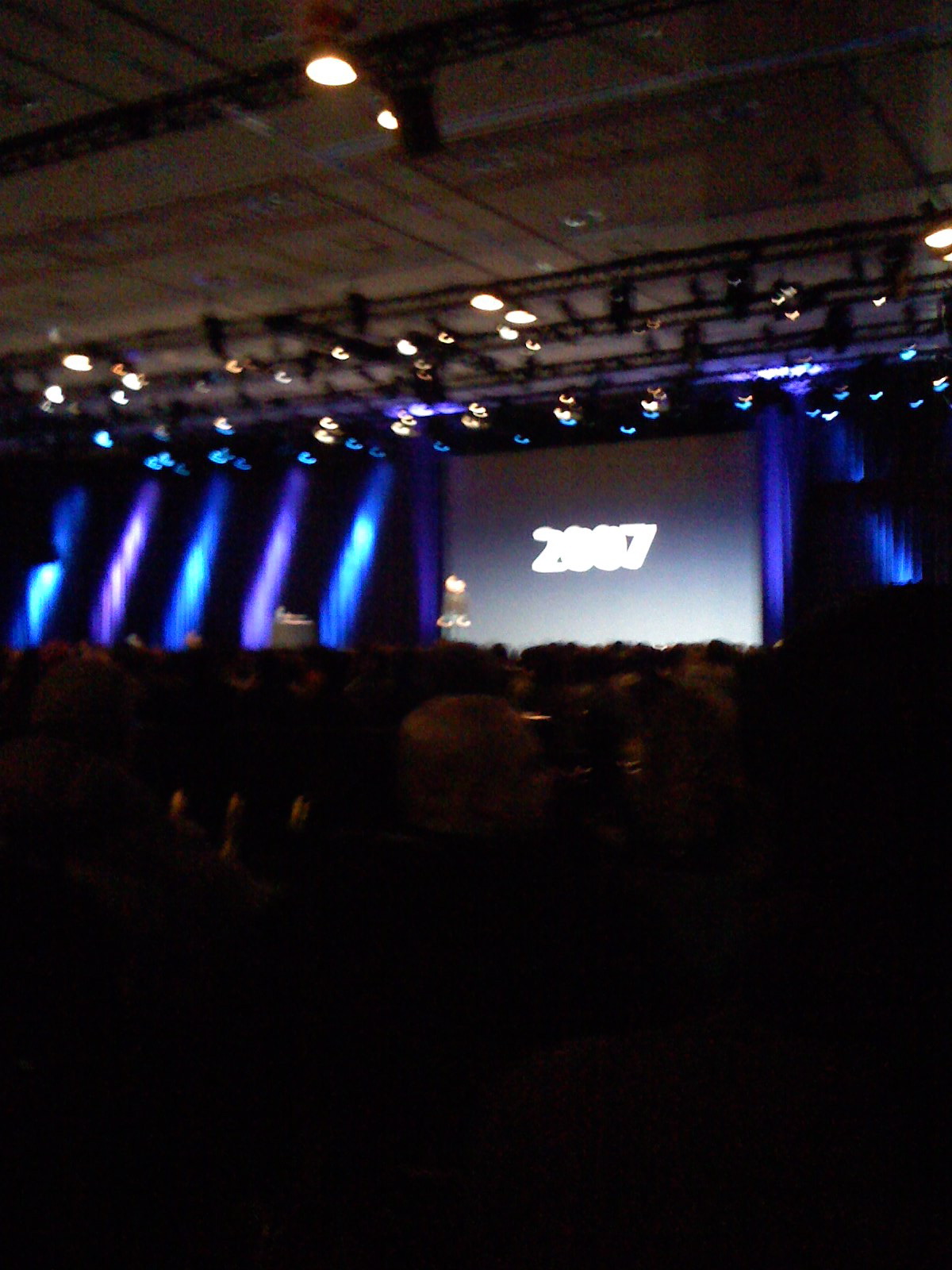



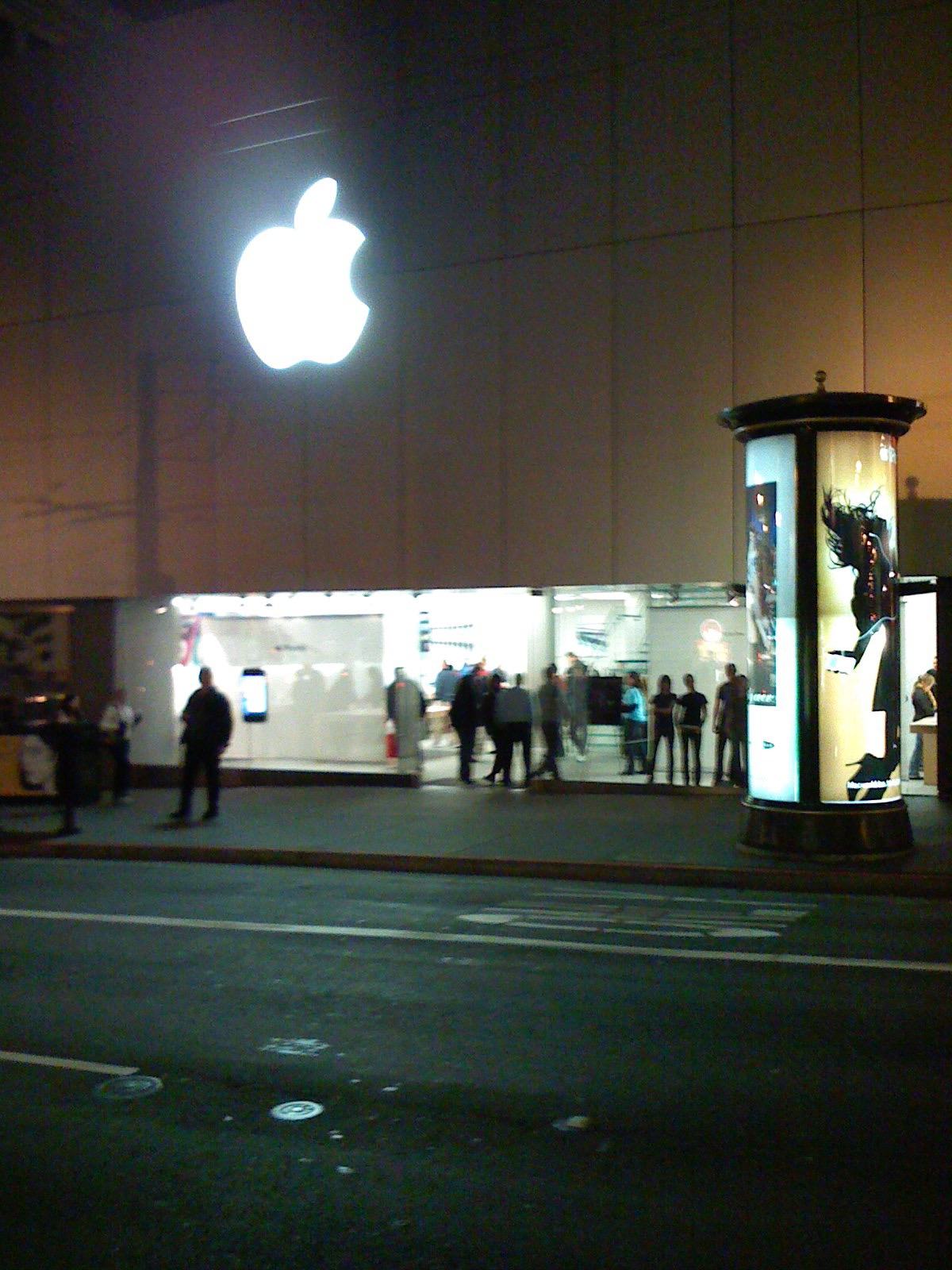
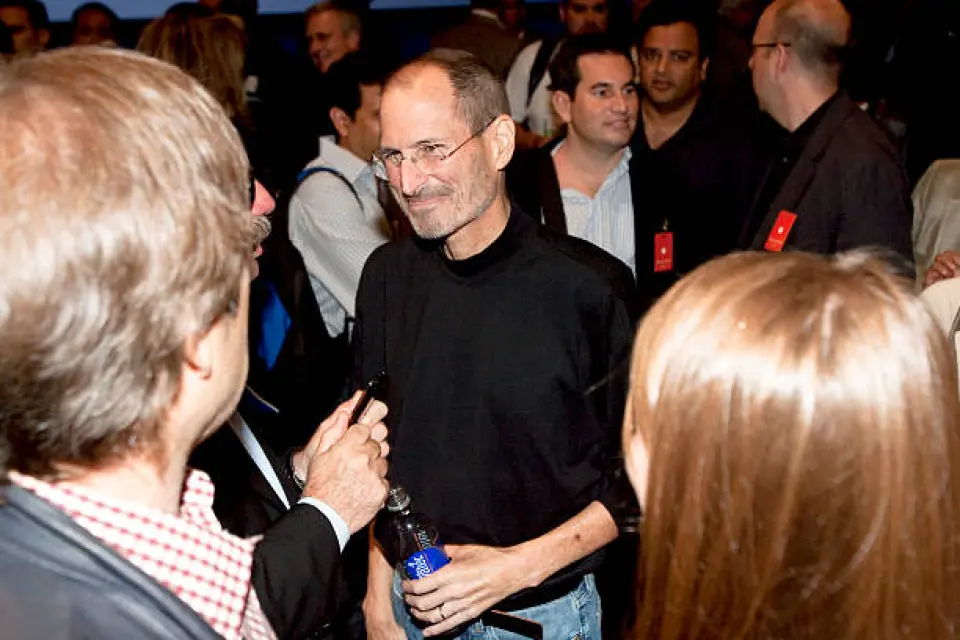
I never would have guessed that I’d be lucky enough to be present in the flesh for a Steve Jobs keynote, let alone one that would go down in history. It was my very first time visiting San Francisco, and the universe decided to test me: I was terribly sick and completely unable to sleep. Yet, driven by pure adrenaline, I stood in line all night at the Moscone Center just to secure a spot as close to the stage as humanly possible.

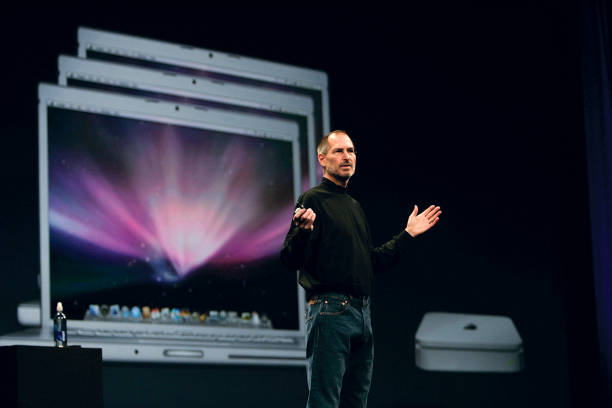

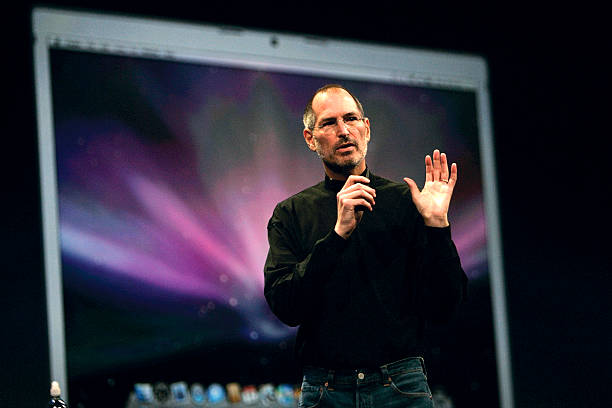

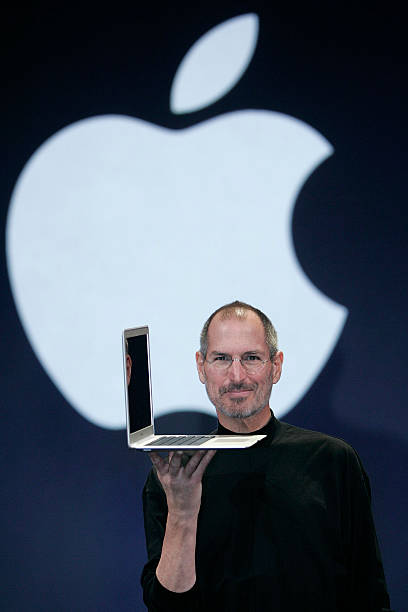

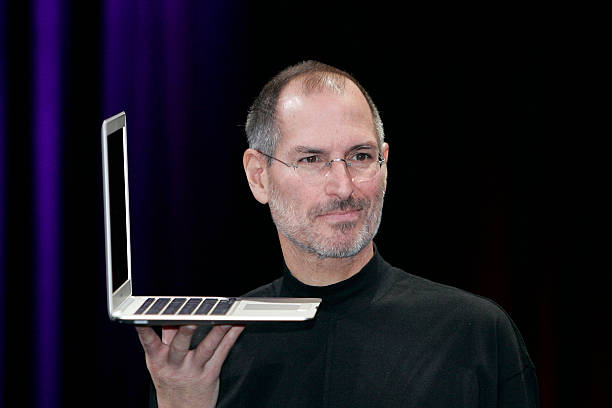
Following the seismic waves of the iPhone introduction at the exact same venue the year prior, the excitement in the room was absolutely electric. When the keynote wrapped, Steve Jobs stepped toward the edge of the stage, pausing so a wall of press photographers could snap photos of him holding the impossibly thin, freshly unveiled MacBook Air. I noticed what was happening, stuck around, and found myself standing no more than a dozen feet away from him. It was an incredible honor and it ended up being the last MacWorld keynote given by Steve Jobs. Later that night, even though my body was still fighting a fever and I was utterly exhausted, I dragged myself to the legendary Macworld Blast! party, where I got to experience the surreal thrill of hearing and seeing Devo perform live.

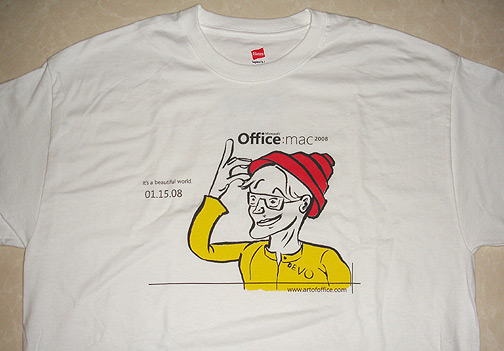

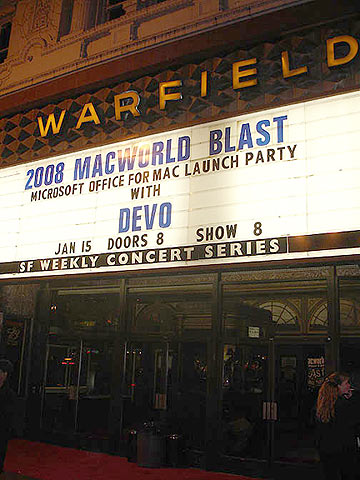
Through most of 2008, my daily driver remained Apple's polycarbonate MacBook. I had fallen into a fun, recurring rhythm of upgrading the machine every single year, deliberately alternating between the stark white and the stealthy matte black models. Flipping the colors with each generation kept the hardware looking and feeling completely fresh on my desk.
I was also incredibly excited by the announcement of the Time Capsule. The promise of zero-configuration, automated wireless backups—running seamlessly in the background via Mac OS X Leopard’s Time Machine—felt like the ultimate utility for a laptop-centric lifestyle, so I picked one up right away to anchor my home network.

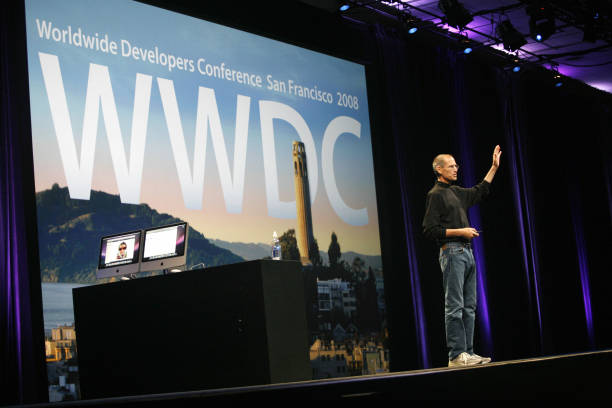

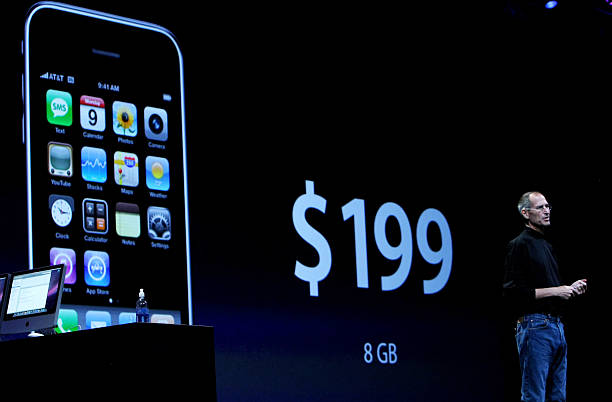

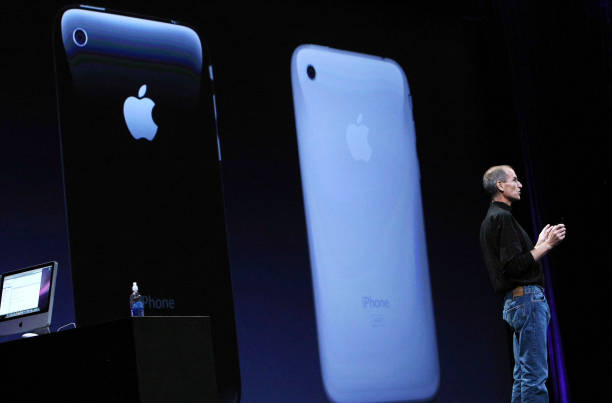

When summer rolled around, I found myself right back where I belonged: waiting in line for the next-generation iPhone 3G. But the real magic happened just before launch day. Thanks to the early iPhone jailbreaking scene, I managed to force the unreleased iPhone Software 2.0 firmware onto my original 2007 iPhone ahead of schedule. I distinctly remember the thrill of showing people what it was actually like to have native, third-party apps running on a phone before the general public even had the new 3G hardware in their hands. When I finally stepped up to the counter and upgraded, the iPhone 3G’s contoured, curved back felt incredible in the hand, and I was deeply pleased with the leap forward.

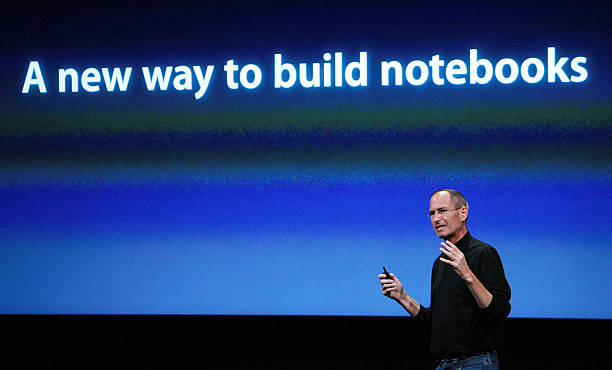
That autumn, Apple completely revamped its portable family, introducing the stunning, unibody "late 2008" lineup. I jumped at the absolute first opportunity to own an affordable, aluminum-clad consumer MacBook that shared the premium design DNA of the Pro line.
The moment the box arrived, I didn't even boot it up standard. I had already procured a high-speed solid-state drive (SSD) and a maximum RAM upgrade directly from Crucial. I cracked the case open, immediately swapped out the factory components, and fired it up. With that early SSD under the hood, the new aluminum MacBook became an absolute speed demon, handling everything I threw at it and serving me incredibly well for the next couple of years.