2006 - intel inside
Below is a chronological timeline of the year's defining moments, featuring key quotes from Steve Jobs, followed by my own personal thoughts and reflections on experiencing this historic era firsthand.
January 10, 2006 — Macworld San Francisco 2006
- Steve Jobs shocks the industry by delivering the first Intel-based Macs six months ahead of his original schedule. He introduces the all-new MacBook Pro, completely retiring the 15-year-old "PowerBook" brand name to emphasize the screaming dual-core performance of Intel Core Duo processors. He also announces the launch of the Intel-based iMac.
We told you in June of last year that we were going to make a transition to Intel processors, and we said we’d start with our first products by June of 2006, and complete the transition by the end of 2007. Well, today, I am incredibly pleased to tell you that we are ahead of schedule.
February 28, 2006 — Apple Digital Event (Cupertino)
- Apple attempts to capture the high-end home audiophile marketplace by launching the iPod Hi-Fi, a massive, premium high-fidelity boombox speaker dock system featuring an integrated 30-pin cradle to drive room-filling digital audio playback.
- The entry-level headless desktop line is brought into the modern chip generation with the launch of the Intel Mac mini, doubling processing data tracks while introducing a built-in optical audio out port layout.
Today, we are introducing a brand-new product that redefines the home stereo system. It's called iPod Hi-Fi. It is an audiophile-grade speaker system that integrates seamlessly with your iPod, providing breathtaking acoustic performance and room-filling sound unlike anything you’ve ever heard from a single enclosure. We want to completely reinvent the home stereo, and the iPod Hi-Fi does exactly that.
May 16, 2006 — The Polycarbonate MacBook
- Apple permanently retires the "iBook" moniker by introducing the consumer-focused MacBook. Available in a brilliant white or premium matte black polycarbonate casing, it becomes an instant campus classic. The MacBook introduces several premium features to the consumer tier, including a glossy widescreen display, a magnetic latch mechanism, an integrated iSight camera, and a clever recessed keyboard design layout.
With a design that is up to 20 percent thinner than the iBook, the new MacBook is up to five times faster than the iBook and up to four times faster than the 12-inch PowerBook G4. Every MacBook comes with the Intel Core Duo processor, a beautiful new 13-inch glossy widescreen display, a built-in iSight video camera for video chatting on the go, and Apple’s innovative MagSafe power connector, designed especially for mobile users.
August 7–11, 2006 — WWDC 2006 (San Francisco)
- Steve Jobs officially completes the historic Intel chip migration in a record-breaking 210 days by introducing the Mac Pro desktop tower. Replacing the Power Mac G5, it packs dual Intel Xeon 64-bit processors inside a beautifully organized dual-optical drive brushed aluminum enclosure.
We announced our first Intel products in January. In the first two quarters, we transitioned almost all of our products over to Intel... except one. Today, the Power Mac is going to fade into history. Our transition is now complete.
September 12, 2006 — "It's Showtime" Media Event (San Francisco)
- Apple transitions the iTunes Store into a legitimate entertainment hub by partnering with major Hollywood studios to offer feature-length digital movie downloads from Disney, Pixar, Touchstone, and Miramax.
- To support home television integration, Jobs drops a rare "sneak peek" of an unreleased hardware streaming device code-named "iTV".
- The mid-tier music hardware line is heavily updated with the 2nd-Generation iPod nano, wrapping the flash player in a sleek, vibrant anodized aluminum enclosure.
We have a new product coming that isn't quite ready yet, but we wanted to give you a sneak peek because it completes the story of how you enjoy your iTunes content. It’s code-named 'iTV.' It’s a beautiful, very small box that sits right under your television. It features built-in high-speed Wi-Fi, Ethernet, USB, component video, and an HDMI port to hook up to your big-screen TV.

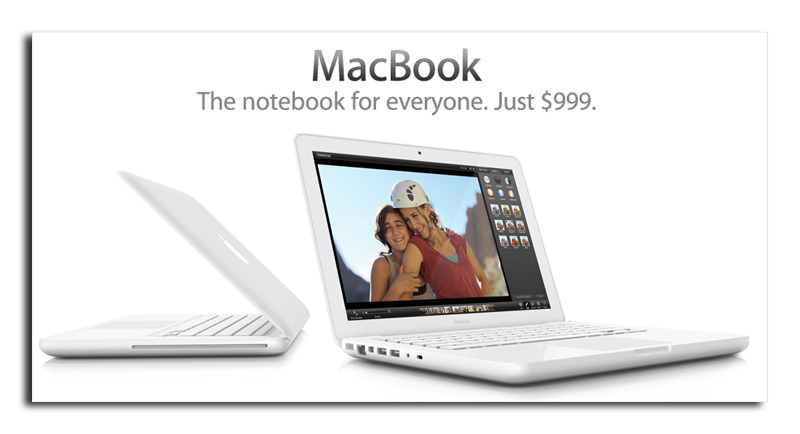
Looking back, 2006 was an incredibly transitional and interesting year for my tech ecosystem, defined by a major shift toward untethered mobility. The headline change for me was officially transitioning back to laptops with the introduction of Apple's all-new, Intel-powered polycarbonate MacBook. With a starting price of just $999, Apple made the barrier to entry for a modern, dual-core notebook super affordable. Of course, rather than sticking with the baseline, I couldn't resist going for the upgraded, stealthy matte black model. I absolutely fell in love with the design language and utility of these machines, kicking off a trend where I would continuously rely on variants of the MacBook lineup as my primary portable workhorses for many years to come.


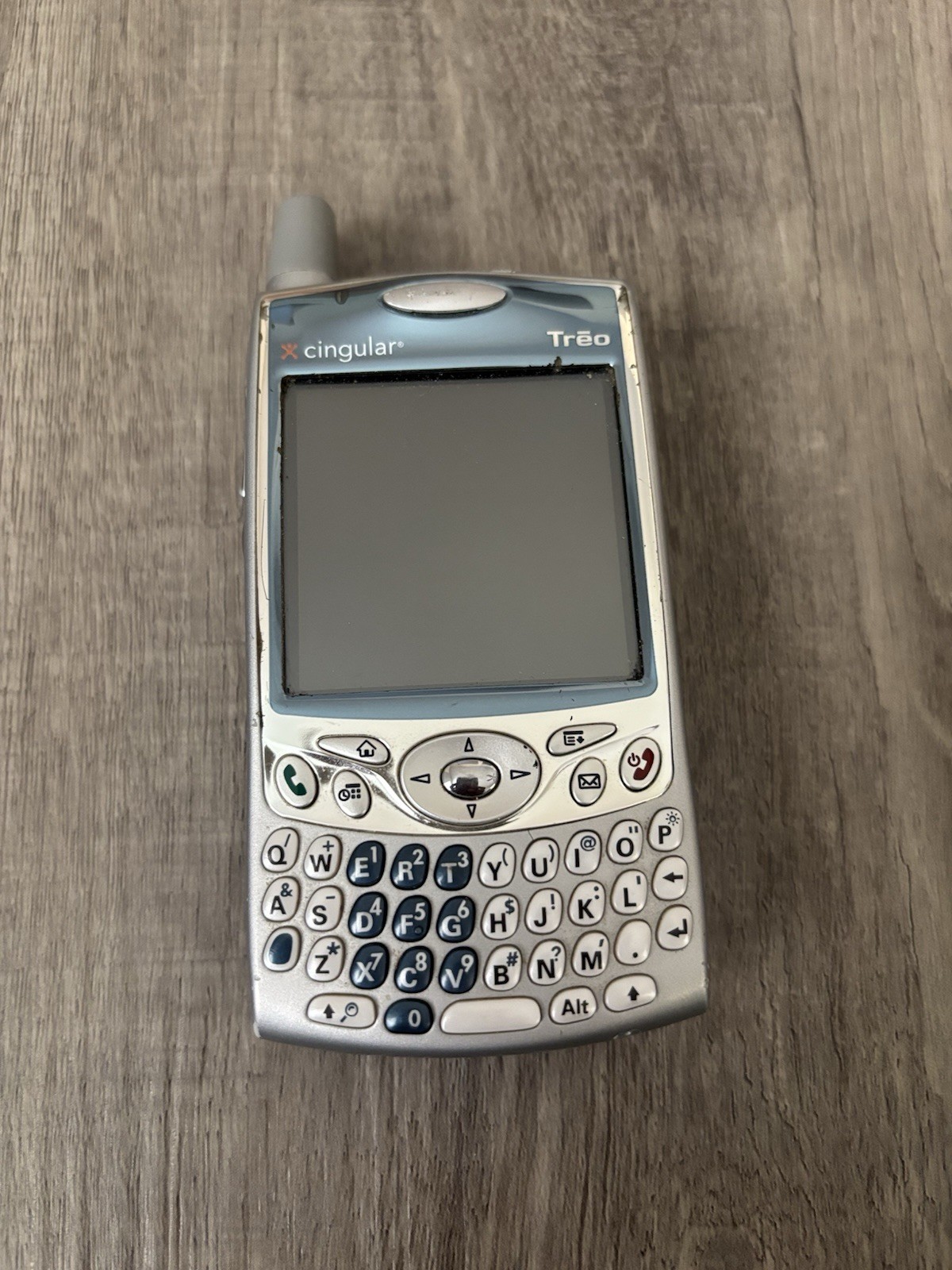
That desire for better on-the-go capability also drove me to completely abandon traditional feature phones. I took the plunge into the smartphone world by picking up the Palm Treo 650. Moving from a basic handset to the Treo’s full physical QWERTY keyboard, robust email syncing, and expansive color screen completely changed how I managed my daily communication and organized my life while away from a desk.
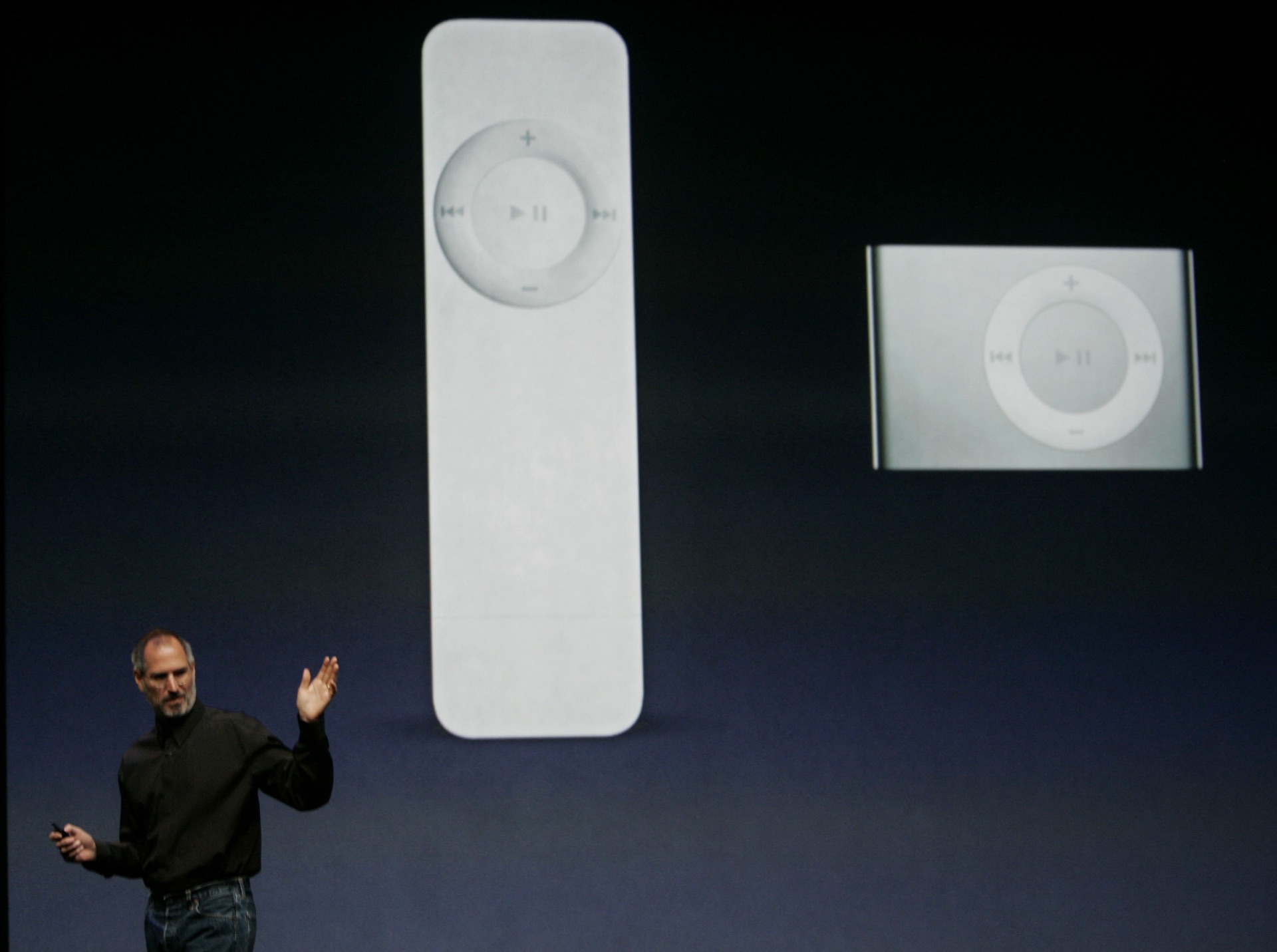
To perfectly round out my mobile footprint that autumn, I complemented the Treo 650 with the completely redesigned 2nd-Generation iPod shuffle announced that fall. While the Treo handled all of my heavy-lifting data, emails, and calendar entries, it wasn't exactly an elegant workout or lightweight companion. The new shuffle—a tiny, one-inch square of anodized aluminum with a built-in clip—was the ultimate counterweight. It was so incredibly light that I could just clip it to my sleeve or pocket and head out the door with a curated, distraction-free soundtrack, making it the perfect low-profile audio sidekick to my bulky new smartphone setup.

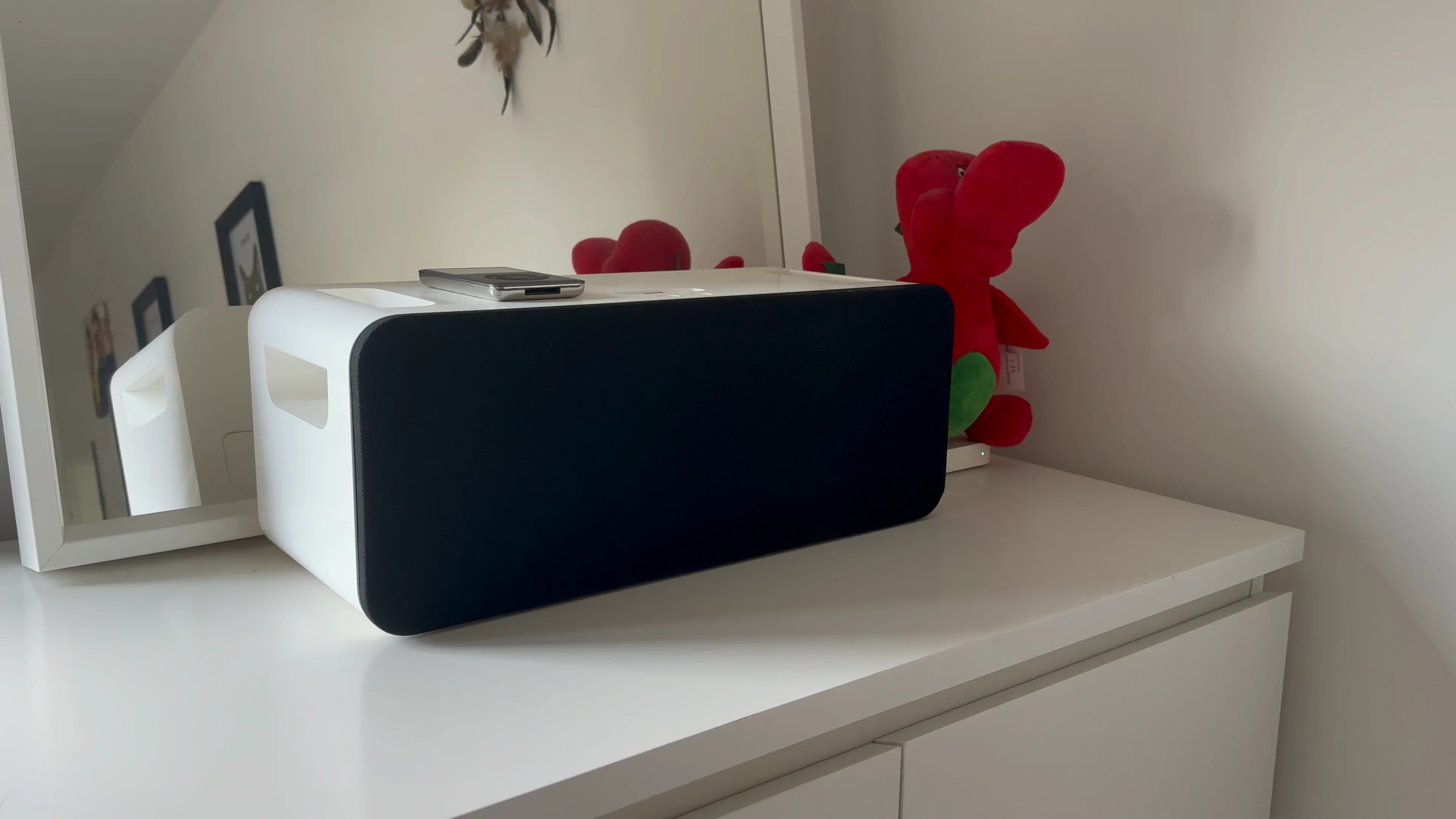
On the home audio front, 2006 was the year I found a brilliant way to build my own high-fidelity wireless sound system. When Apple launched the imposing, audiophile-grade iPod Hi-Fi speaker block, I knew I had to have one—but not for the reason Apple intended. While the rest of the world was busy docking their iPods directly into the top of it, I rarely used mine with a portable player.

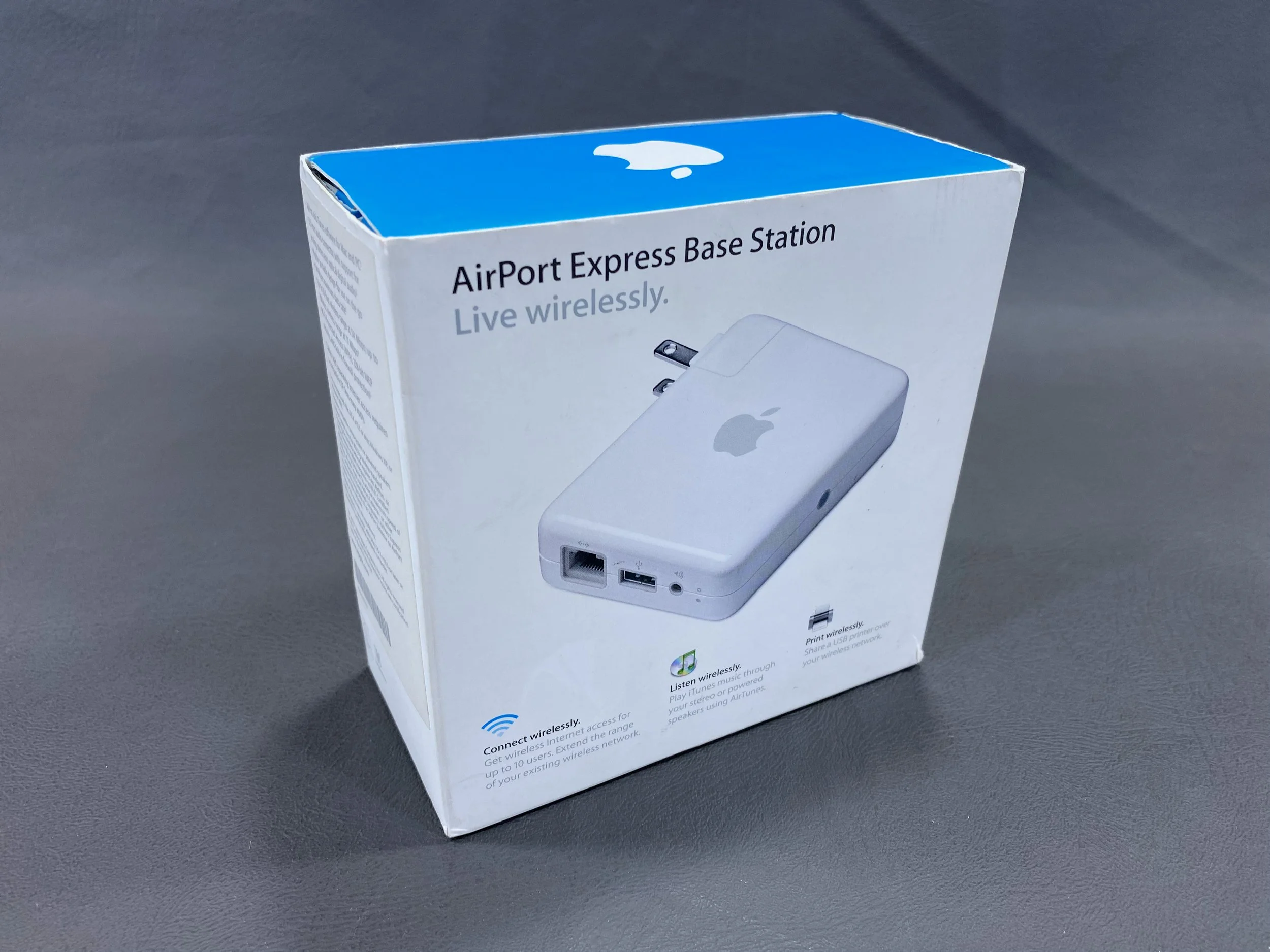
Instead, I kept my iPod Hi-Fi permanently connected to an AirPort Express via an optical audio cable. This custom pairing allowed me to use Apple's AirTunes protocol to wirelessly stream pristine, lossless music directly from my new MacBook straight to the heavy-hitting speakers across the room. It was an incredibly slick, ahead-of-its-time wireless setup that bypassed the clutter of traditional receiver towers and speaker wires.

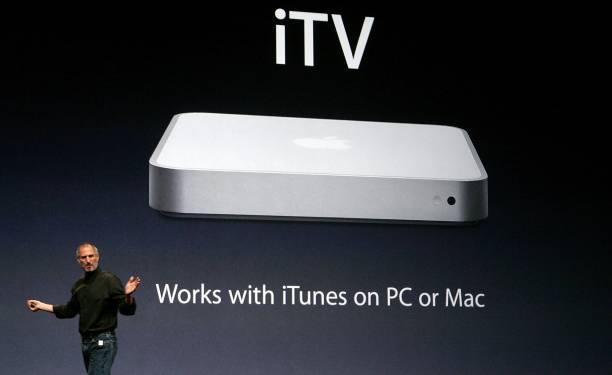
The year wrapped up with my eyes fixed squarely on the future of entertainment. When Steve Jobs took the stage at the "It's Showtime" event in September to give a rare, top-secret sneak peek at the upcoming "iTV" network box, I was instantly hooked. The concept of freeing my rapidly growing digital library from the confines of a computer screen and putting it directly onto a widescreen television set felt like the ultimate missing piece of the digital hub puzzle. I was so incredibly excited about the concept that I counted down the months, ultimately becoming an early-adopting Apple TV user the very next year just as soon as I could get my hands on one.