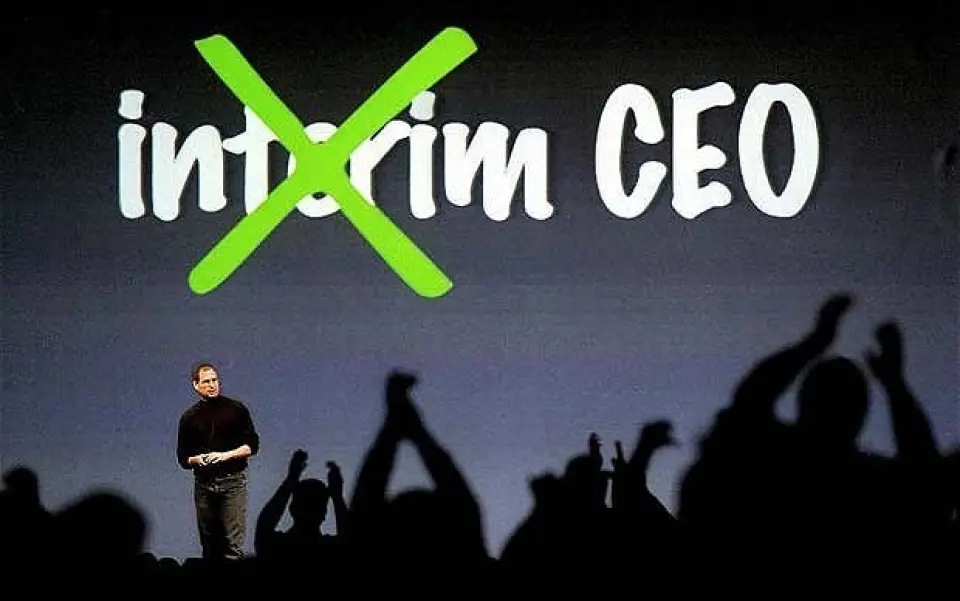
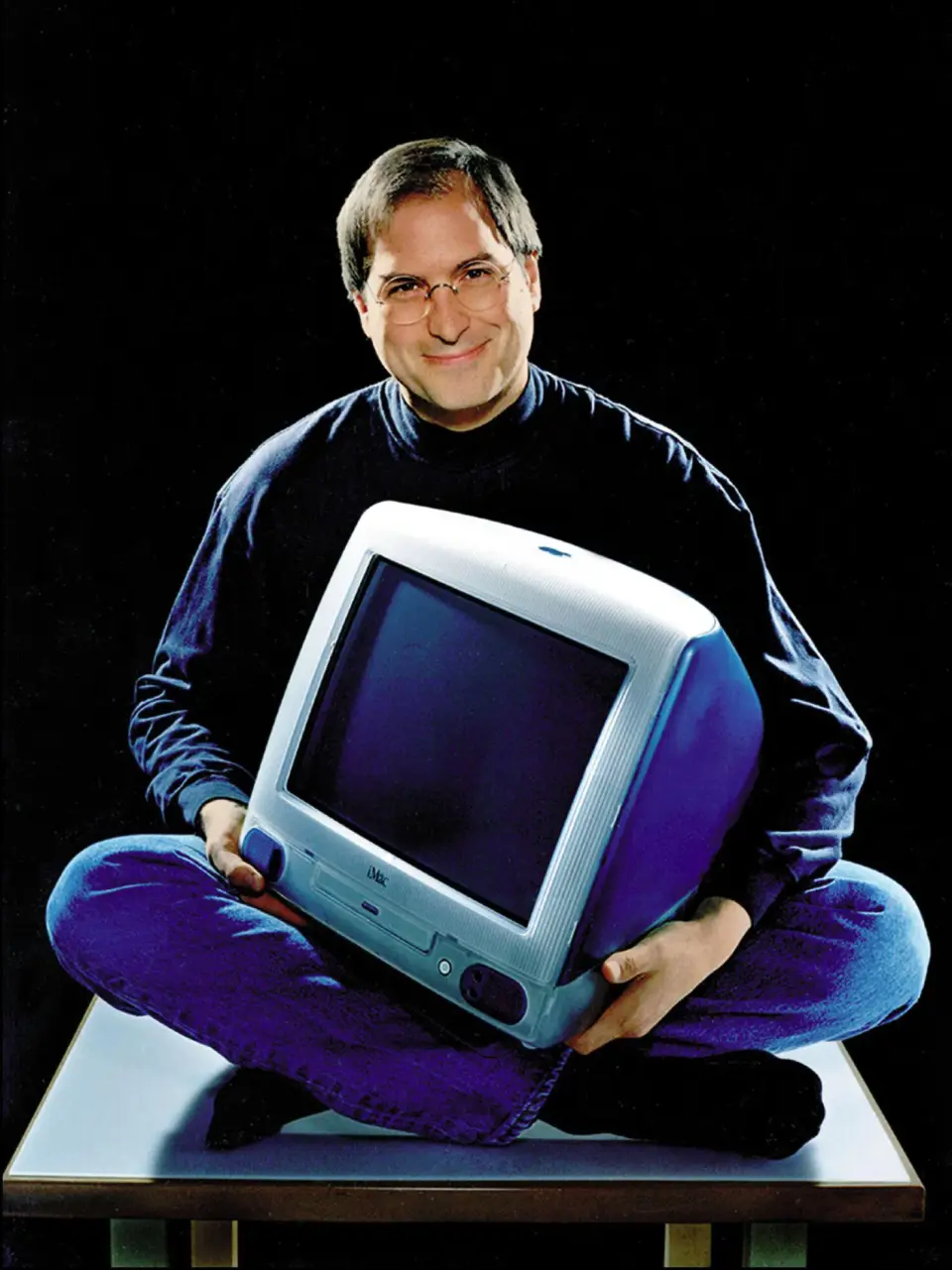
1999 - burning down the house
Below is a chronological timeline of the year's defining moments, featuring key quotes from Steve Jobs, followed by my own personal thoughts and reflections on experiencing this historic era firsthand.
January 5, 1999 — Macworld San Francisco 1999
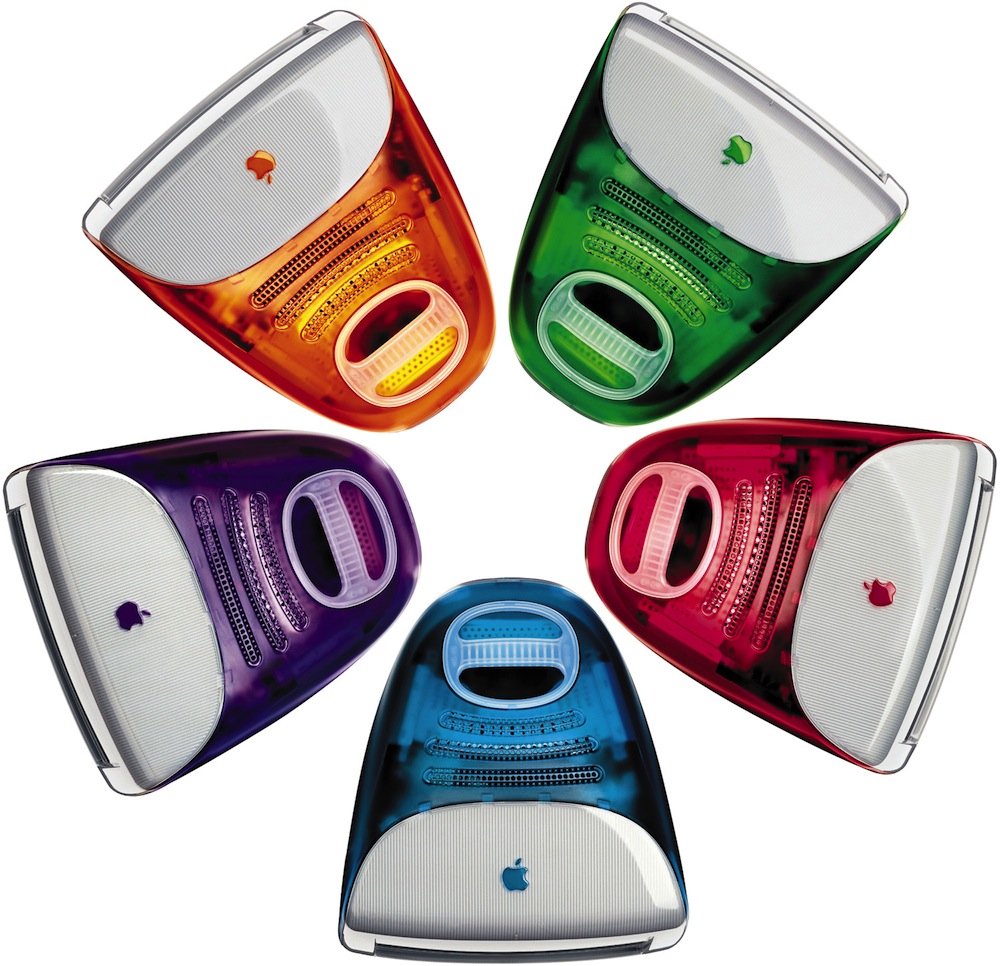
- Steve Jobs expands the best-selling consumer desktop line (they sold one every 15-seconds) by introducing the "Five Flavors" iMac G3, refreshing the original Bondi Blue style with vibrant new colors: Blueberry, Grape, Tangerine, Lime, and Strawberry.
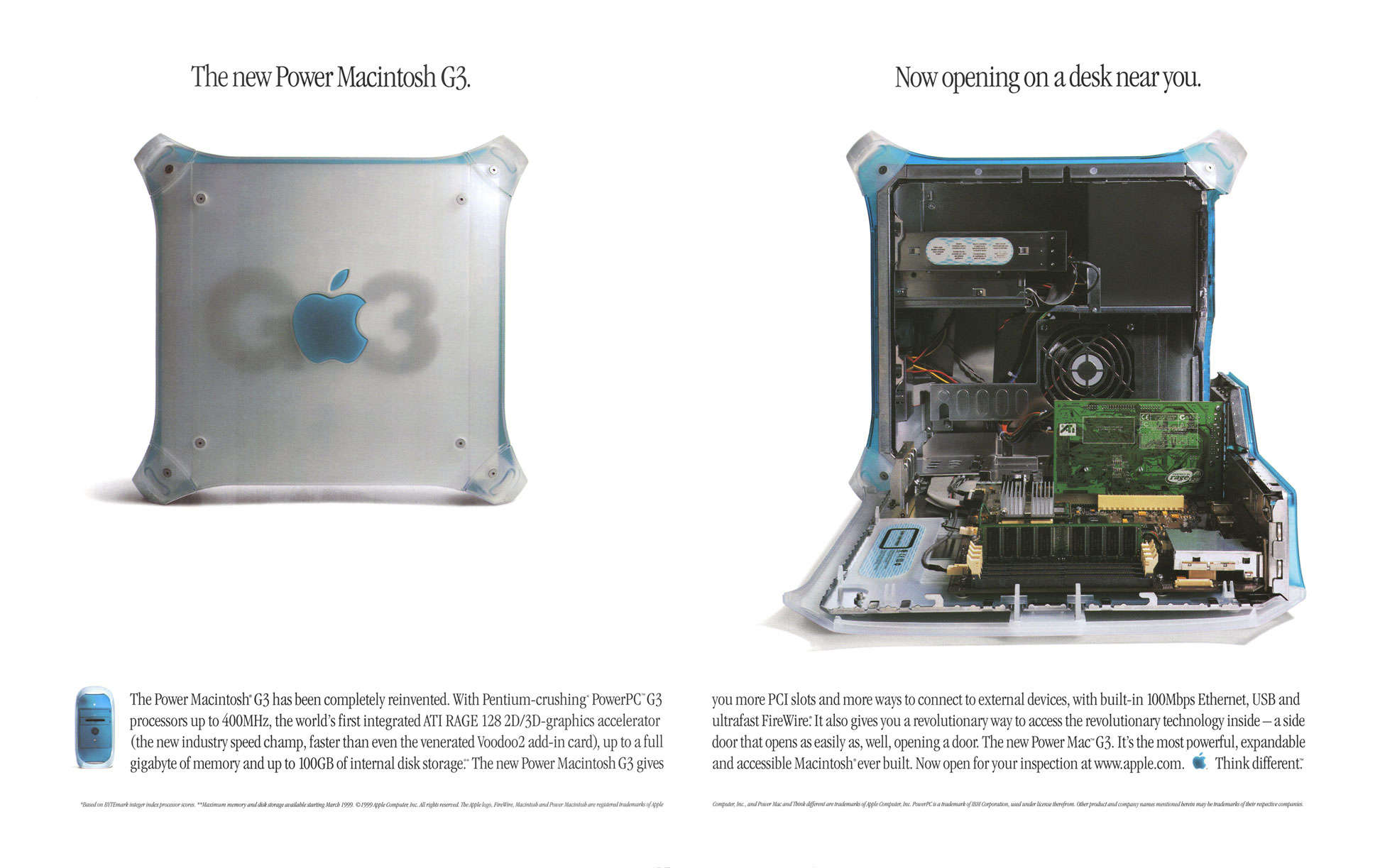
- Apple completely redesigns its pro desktop line with the striking Blue and White Power Macintosh G3 (nicknamed the "Smurf" tower). It features a revolutionary fold-down side door for effortless internal hardware access.
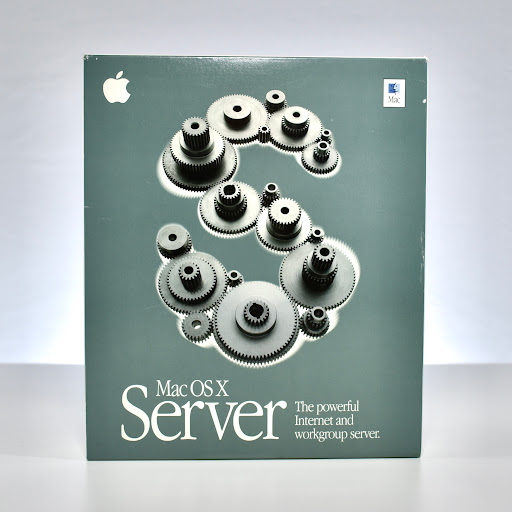
- Apple previews Mac OS X Server, marking the very first commercial availability of its next-generation NeXT-derived core operating system framework.
iMac has been an incredible success, but we aren't stopping there. Today, we are introducing five new flavors of iMac: Tangerine, Grape, Lime, Strawberry, and Blueberry. We think people are going to want to choose the color that fits their personality. They look absolutely gorgeous.



February 21, 1999 — Macworld Tokyo 1999
- Steve Jobs travels to Japan to reinforce international consumer hardware distribution, localized pricing, and regional language integration for the multi-colored iMacs and the matching clear polycarbonate Apple Studio Displays.
We are back. Apple is profitable, our momentum is growing all over the world, and we owe a great deal of that to our incredibly loyal customers right here in Japan. The turnaround we started eighteen months ago is working, and we are just getting started.
May 10–14, 1999 — WWDC 1999 (San Jose)
- Apple introduces Mac OS 8.6, which includes a heavily optimized microkernel that dramatically stabilizes processing distribution and handles the newly updated Sherlock 2 internet search utility.
- Developers get deep architectural previews of the enterprise-ready Darwin open-source operating system backbone, ensuring foundational developer support for the massive upcoming Mac OS X transition.
- Apple releases the high-performance PowerBook G3 "Lombard" laptop (also known as the Bronze Keyboard model). It cuts down the physical weight of its predecessor while integrating native USB ports directly into the chassis.
A year ago right here, we laid out a brand-new roadmap for Mac OS X, and a lot of people were skeptical. They asked if we could really pull it off. Well, today we are delivering. We have Mac OS X Developer Preview 1 ready for you this week. It has the modern foundation you want—true protected memory, preemptive multitasking, and advanced networking—and it is tracking perfectly on schedule.
June 20, 1999 — Pirates of Silicon Valley premieres on TNT
- Pirates of Silicon Valley, a dramatization of the rivalry between Apple Computer co-founder Steve Jobs and Microsoft co-founder Bill Gates, premieres as a television movie.
July 14, 1999 — SoundJam MP released
- SoundJam MP, the predecessor to iTunes, is released by Casady & Greene.
July 21, 1999 — Macworld New York 1999
- Steve Jobs shocks the tech industry by pulling the translucent, rubberized clamshell iBook out of a bag, successfully completing Apple’s core "four-quadrant" product matrix (Consumer/Pro, Desktop/Portable).
- During the demonstration, Jobs picks up the running laptop and walks across the stage while loading a web page. This introduces AirPort wireless networking (802.11b Wi-Fi) to the world, single-handedly birthing the consumer wireless networking market through a close supply partnership with Lucent Technologies.
Our momentum is absolutely incredible right now. We have had seven consecutive quarters of profitability, our cash reserves are growing, and the iMac continues to be the number-one selling computer model in the United States. We are bringing innovation back to this industry at a pace nobody else can match, and our users are the ones winning.
August 31, 1999 — Seybold San Francisco 1999
- Apple shifts its professional focus to ultra-dense vector processing calculations by introducing the Power Mac G4, powered by the Motorola G4 processor with an integrated "Velocity Engine."
- Apple aggressively markets the G4 tower as the world's very first desktop supercomputer. Because its processing speeds cross a specific floating-point calculation threshold, the machine is technically classified as an export-restricted weapon by the United States Government.
- Alongside the tower, Apple officially releases the 22-inch Apple Cinema Display, a widescreen active-matrix LCD monitor housed in an matching clear, minimalist easel frame.
Today, we are launching the Power Mac G4. This is not just a faster G3; this is a completely new class of computer. Because of the Velocity Engine built into this G4 chip, this machine performs over one billion floating-point operations per second at 450 megahertz. By definition, that makes the Power Mac G4 the world’s very first desktop supercomputer.
October 5, 1999 — Apple Special Event (Flint Center)
- Steve Jobs hosts a dedicated product showcase to position the Mac as the centerpiece of a consumer's media pipeline, rolling out the iMac DV (Digital Video) configurations featuring built-in FireWire ports.
- Apple introduces iMovie, a revolutionary, dead-simple digital video editing software suite. It allows casual home video creators to plug in digital camcorders, edit footage seamlessly, and export cinematic creations without expensive professional studio gear.
- Jobs previews the major underlying network and file management architectures of Mac OS 9, laying the framework for its public market launch a few weeks later on October 23.
Computers typically have terrible sound, but if you’re making movies and listening to music, you need great audio. We have partnered with the audio legends at Harman Kardon to completely redesign the internal sound system of these new iMacs. We’ve built Odyssey audio spheres right into the casing, giving you incredible, crisp stereo separation and phenomenal dynamic range right out of the box.
The year opened with a flurry of great announcements. While I didn't personally purchase any of the new hardware, I was a massive fan of Internet Explorer for Mac. Version 4.5 introduced some genuinely fantastic features—including form AutoFill, which felt like magic at the time. Microsoft was really stepping up its support for the Macintosh platform and its community. In fact, they were doing such a great job that their name had finally stopped receiving massive choruses of boos at the keynotes!
Right before announcing twelve major gaming titles coming to the platform—and bringing out John Carmack to speak and demo Quake III Arena—Steve Jobs laid out Apple's ultimate ambition:
We want to be the best gaming platform in the world.
It's funny looking back; twenty-seven years later, and Apple still drops that exact same promise every couple of years. Reviewing the footage, I had completely forgotten about the Connectix Virtual Game Station, which Steve actually announced and demoed on stage. It was an emulator that let you play a few hundred Sony PlayStation games right on a Mac. I don't think I ever actually tried it myself, and it didn't last long anyway before Sony officially shut it down with a lawsuit.
Early summer, TNT premiered Pirates of Silicon Valley, and it instantly became a core obsession in our household. For us, it served as the perfect, dramatized follow-up to PBS’s brilliant Triumph of the Nerds documentary series that had come out a few years prior. My brother Matthew and I absolutely loved it. The age gap between us didn't matter—I was 20 and he was 14, but we were completely unified in our fandom. We taped it off the TV and watched it so many times that the tape practically wore out, to the point where we could quote entire scenes verbatim.
What made my obsession with the movie so interesting was that I wasn't an Apple fanboy yet. In fact, I was actually a big fan of Microsoft, following Bill Gates and Steve Ballmer closely during the height of the Windows 95 and 98 eras. I hadn't yet begun "bleeding six colors."

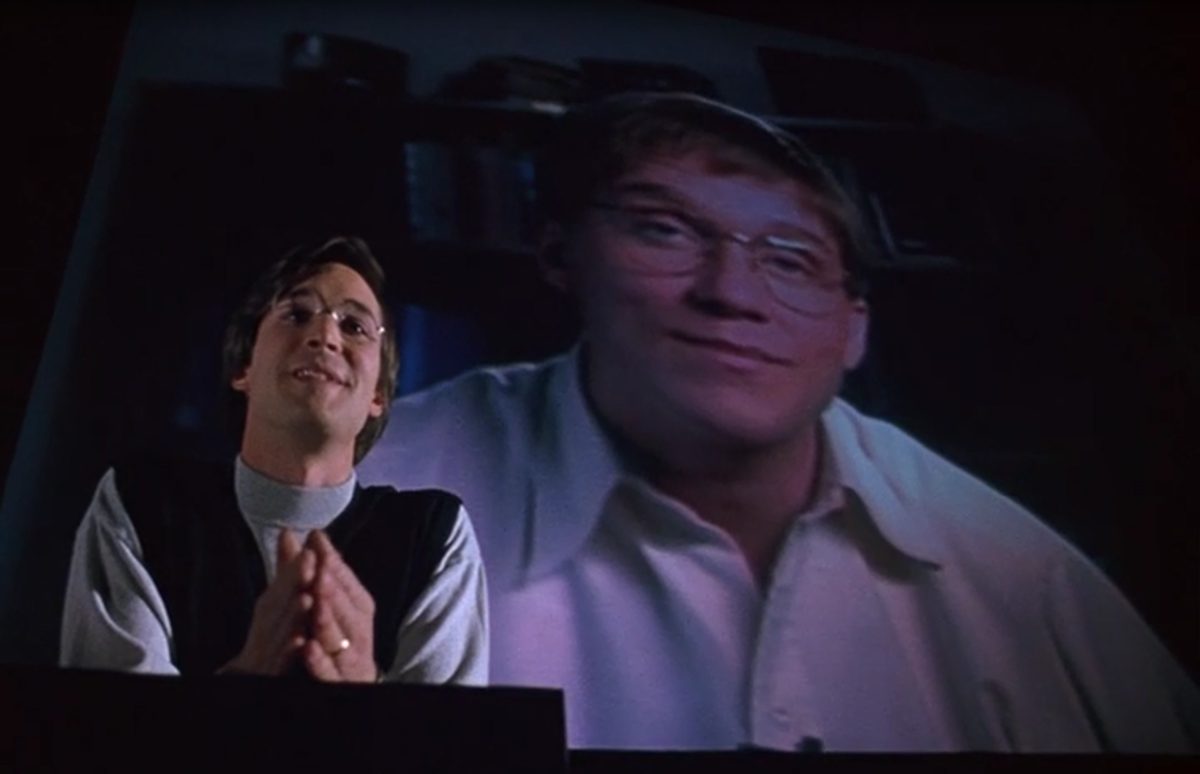
Because of that, the ending of that movie was absolute perfection to me. Cutting to black right as Steve Jobs walks back into Apple, with the opening chords of Talking Heads’ "Burning Down the House" blasting through the speakers, gave you chills. It framed his return not just as a corporate pivot, but as a hostile takeover of tech culture. The movie captured the exact moment the tables were about to turn, completely unable to predict that Microsoft wouldn't remain the sole "winner" for long.

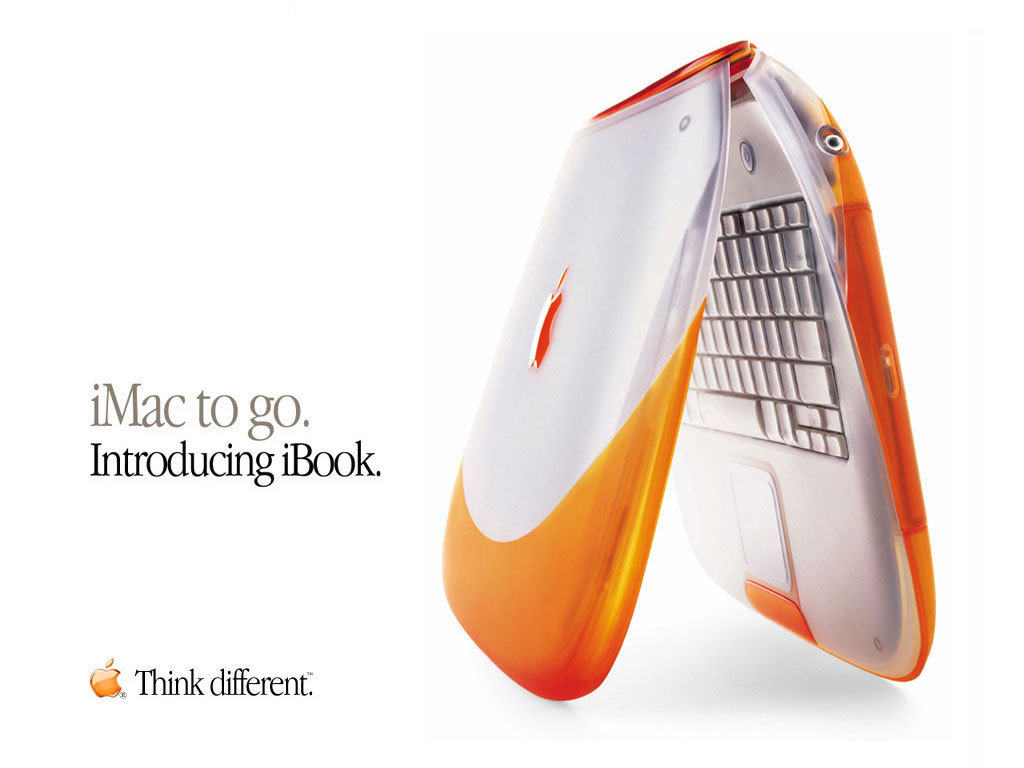

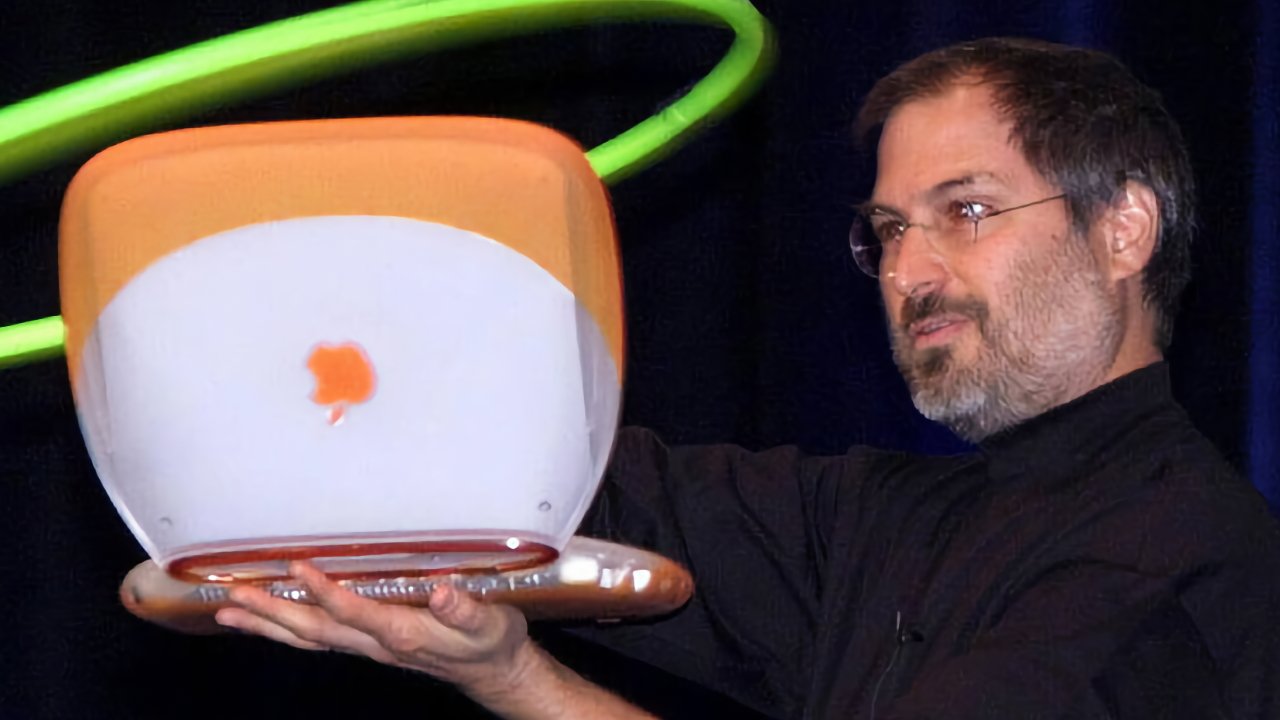
Looking back at the summer of 1999, I'm almost surprised I didn't jump on the vibrant new iBook bandwagon, but the reality was I just wasn't spending as much time online yet. I was working full-time, dating, and constantly hanging out with friends. Our lives revolved around music and video games rather than being tethered to the internet. Because of that, I don't think I actually watched many of the keynotes live that year, with the exception of the October Special Event. By the time that rolled around, my landscape had completely shifted: I had moved back to New Jersey to be closer to my family and return to college. But I was excited about Mac OS 9 and the future of the platform. It was also when I started using SoundJam MP to listen to music on my Macs.

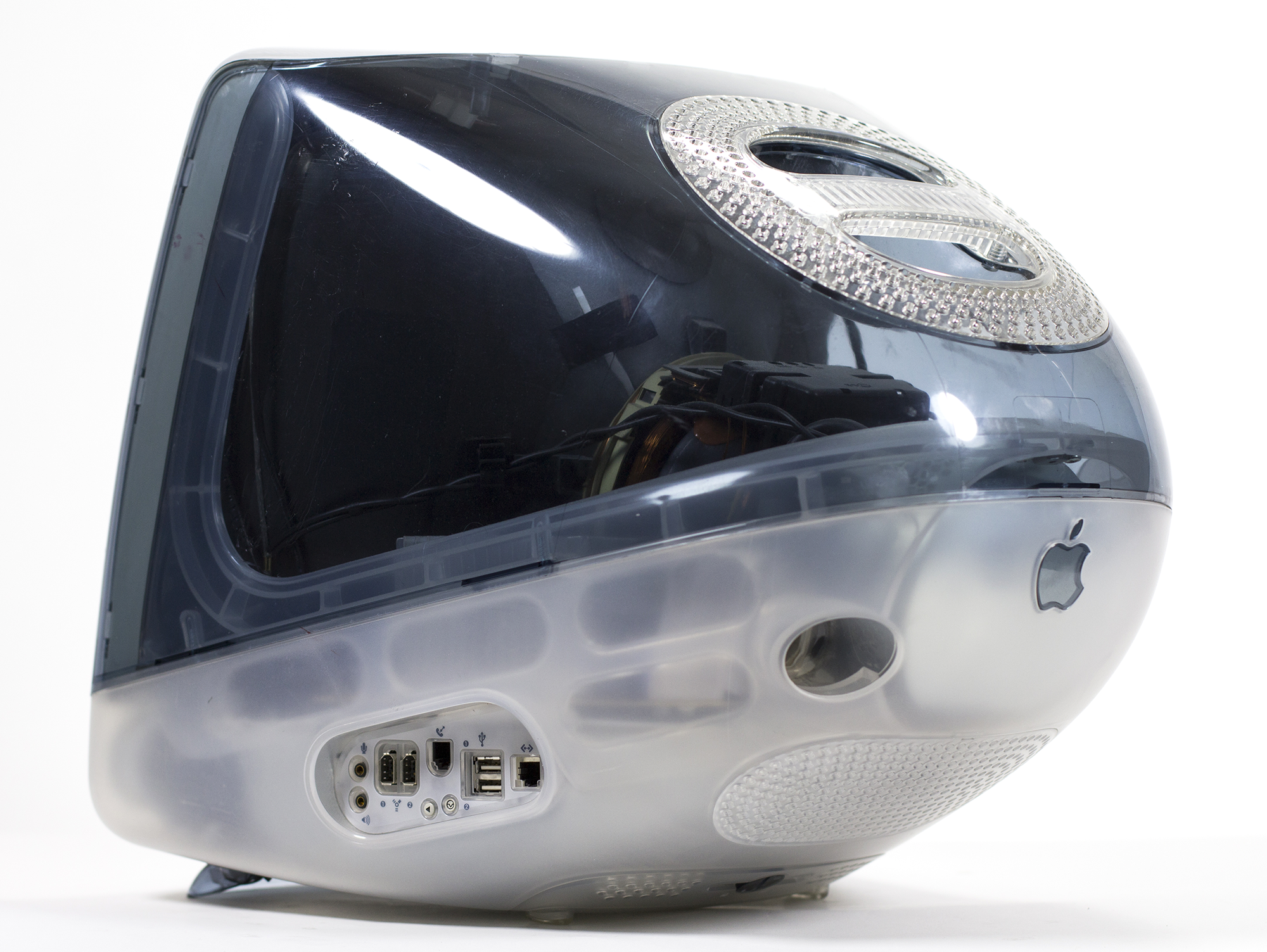
That fall, my mom bought me the iMac DV Special Edition, and it was a stunning upgrade. The new translucent Graphite colorway was absolutely gorgeous, but the real game-changer was the audio setup. I picked up the matching Harman Kardon iSub subwoofer, which plugged in via USB and transformed the audio experience. It greatly enhanced the machine's max volume, tightened the overall clarity, and, of course, delivered a massive boost to the bass response.