1986 - lookout mountain

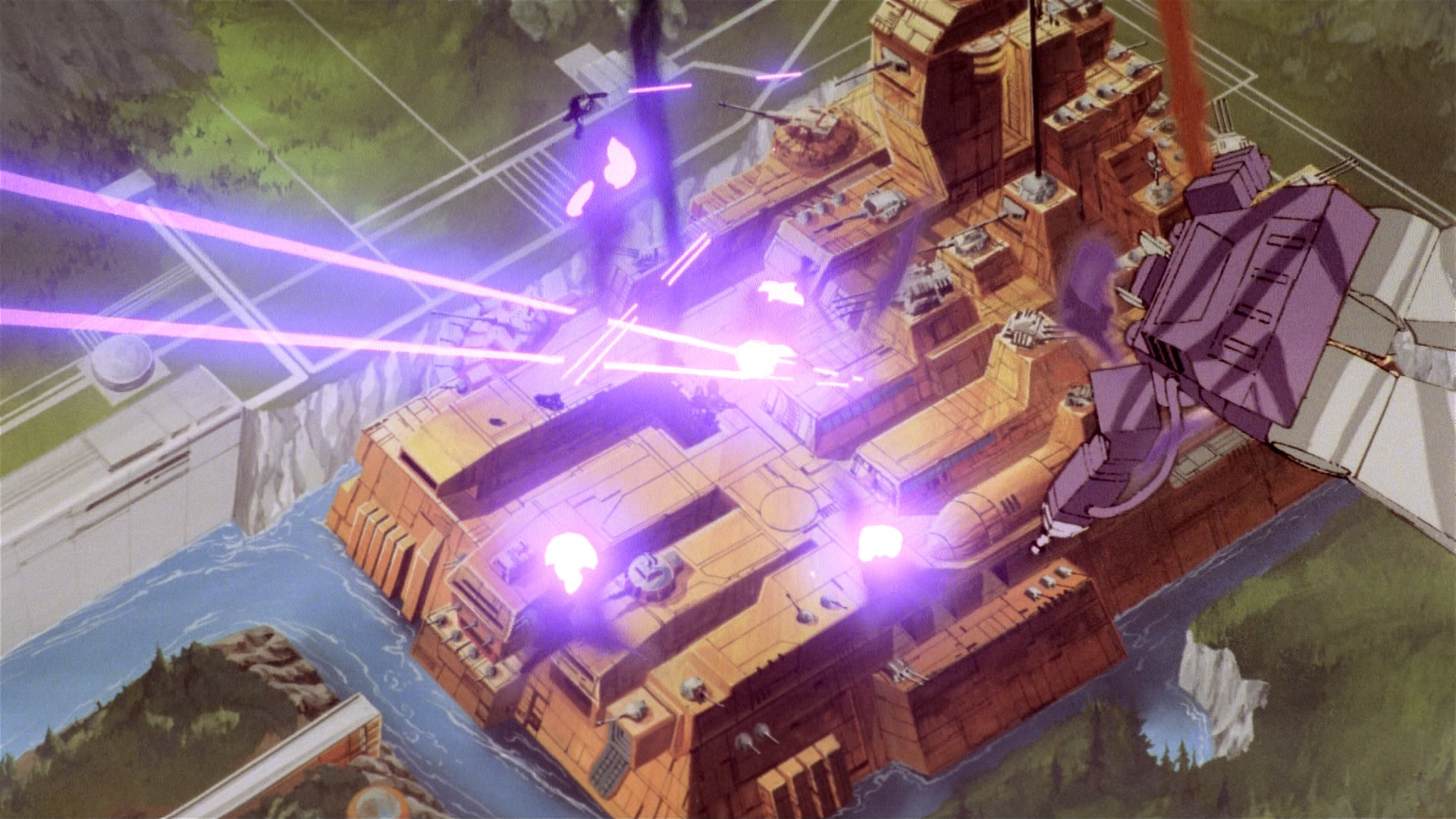
I don't remember the exact day the tape slid into our VCR, but I know the precise moment my brother Matthew and I realized it was perfect.
For a lot of critics in August of 1986, The Transformers: The Movie was a jarring shock to the system. They complained about the lack of setup. They wanted exposition; they wanted an explanation. But Matthew and I? We didn't need any of that. We loved that it dropped us headfirst into the smoke and gears of a brewing cosmic war without holding our hands. Within minutes, the stakes were real, the music was pounding, and the universe we thought we knew was expanding right in front of us.

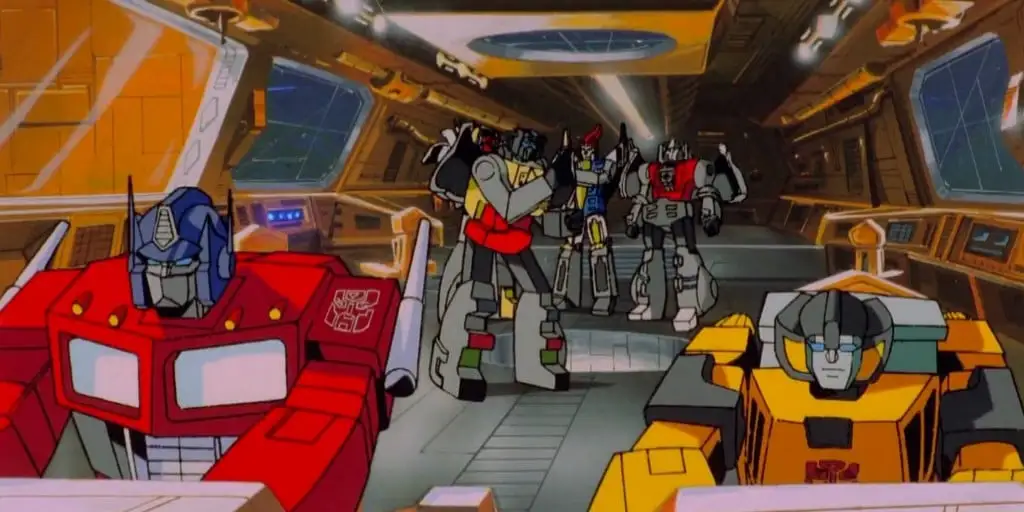
Of course, you can't talk about the movie without talking about the devastation. The brutal, unceremonious deaths of Prowl, Ironhide, and Brawn in the opening minutes completely shattered our sense of cartoon safety. But nothing—absolutely nothing—prepared us for that gray, fading monitor light in the Autobot sickbay. The death of Optimus Prime was a profound, deeply emotional blow to a couple of kids in a living room, and honestly, the weight of that scene still hits me just as hard today.
Yet, looking back, that willingness to break our hearts is exactly why the movie holds up as a masterpiece. Even as it devastated us, it gave the entire story a gravity that the weekday afternoon cartoon never had. It made the world feel completely real. There were actual risks; there were permanent losses. When the smoke cleared, you knew the Autobots weren't just fighting for a status quo—they were surviving.

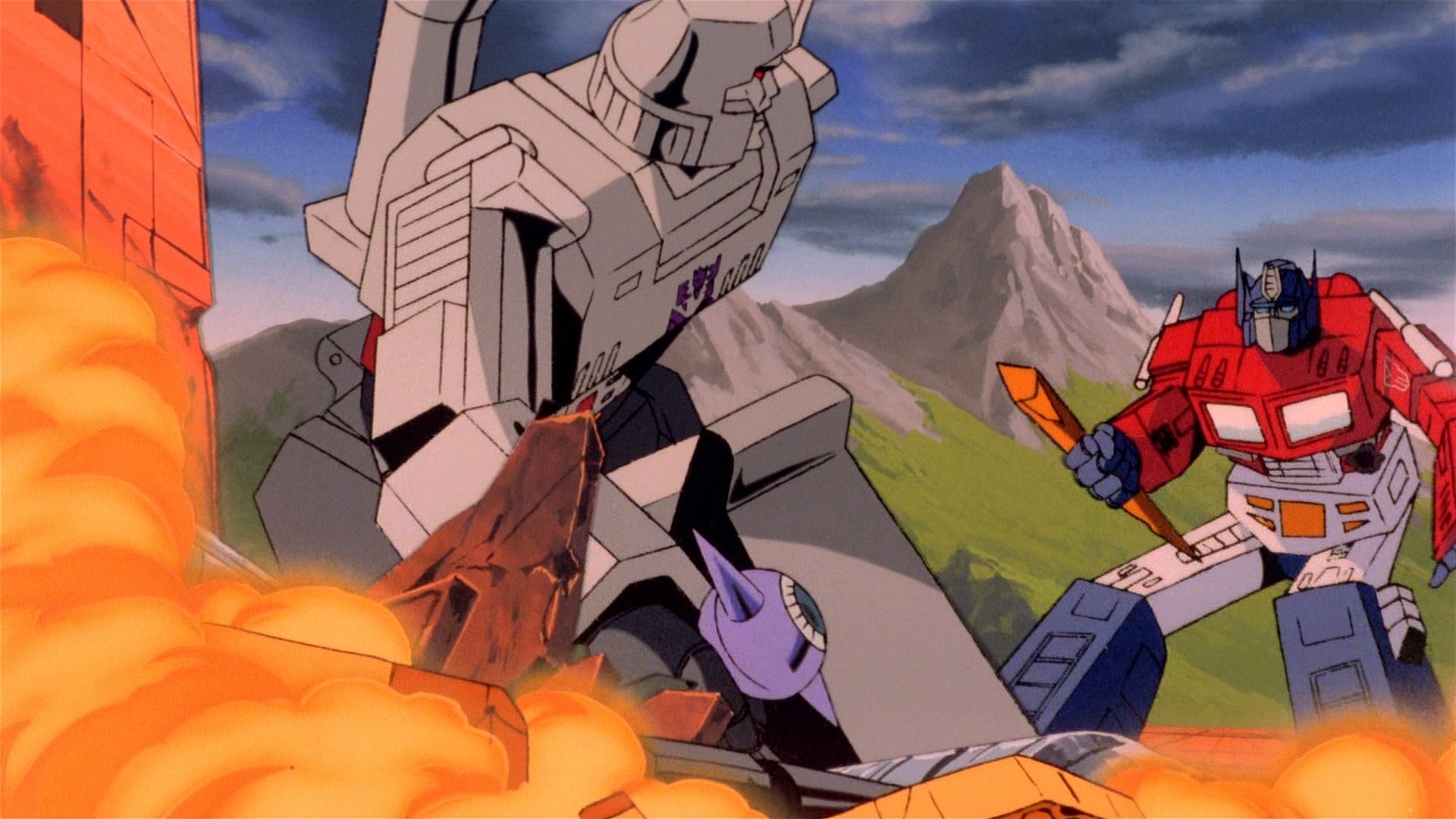
Luckily for our childhood psyches, Hasbro heard the collective weeping of a generation, and Optimus wouldn't be gone forever. When the two-part event "The Return of Optimus Prime" finally aired in early 1987 to cure the Hate Plague, it felt like a triumph. But having that absence stretch across the better part of a year meant his resurrection felt earned, a hard-fought reward after surviving the trenches of a genuinely dangerous universe.
While the film notoriously cleared the board of the old guard, it handed us a vibrant new cast of characters that immediately redefined our playtime. For me, it was all about Ultra Magnus—resolute, beautifully designed, and carrying the heavy burden of leadership. Matthew and I spent hours admiring the striking palettes of the newcomers; Kup's rugged teal and Blurr's unmistakable shades of blue weren't just cool toy designs, they were the defining colors of our living room battlegrounds.

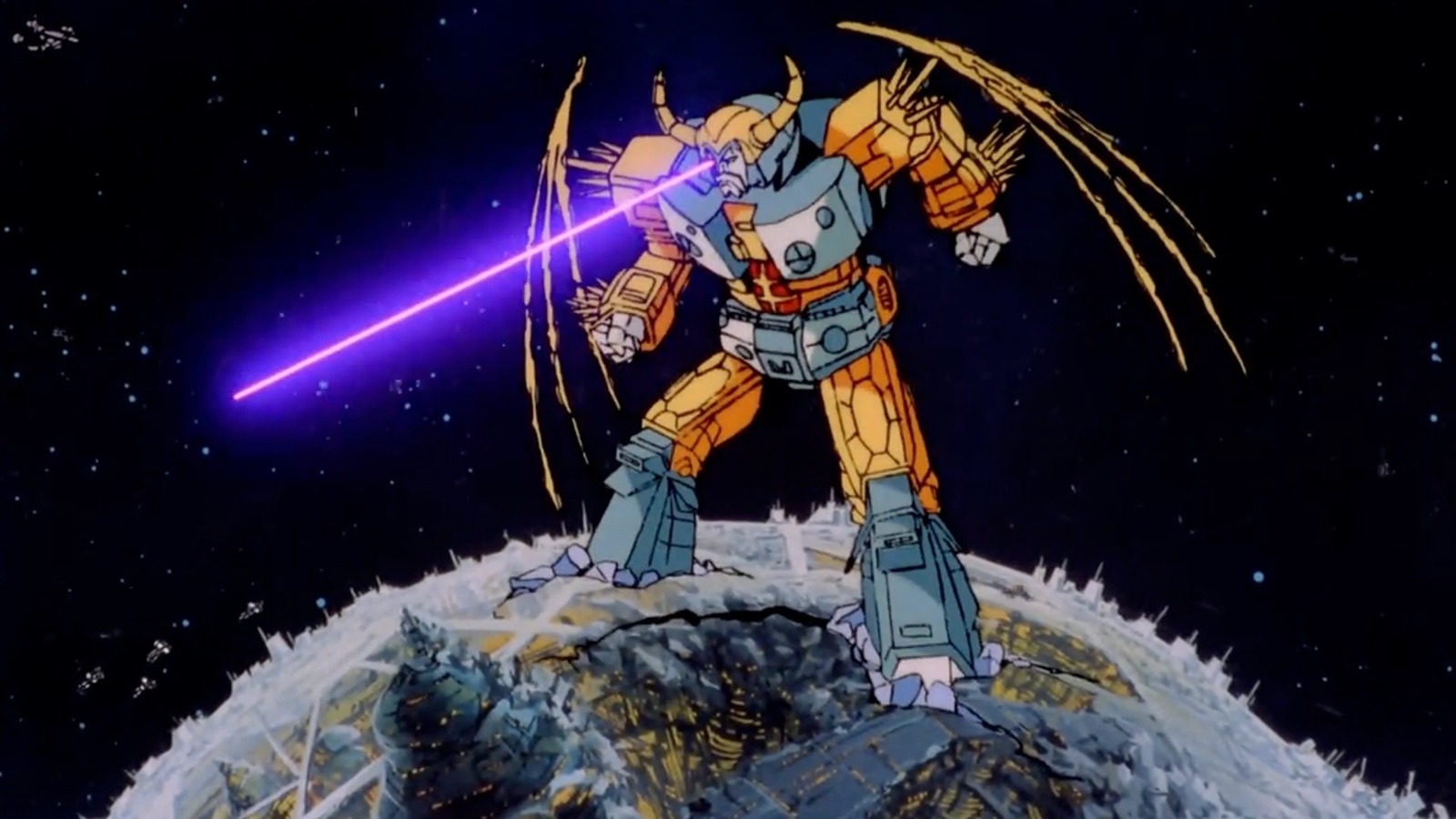
And then, of course, there was "The Touch."
Stan Bush’s synth-rock anthem became the permanent soundtrack to our brotherhood. It was the ultimate shot of pure adrenaline. We blasted it, memorized it, and let it carry us through countless imaginary victories. It was stitched so deeply into our DNA that when it unexpectedly blared across a theater screen over a decade later in Boogie Nights (1997), we couldn't believe it. Witnessing our childhood holy grail cross over into a gritty adult drama was a surreal, hilarious confirmation that the music had never really left us.
I am incredibly glad this movie finally found its rightful fanbase, shedding its reputation as a feature-length toy commercial to stand proud as an enduring, cult-classic masterpiece of 80s animation.

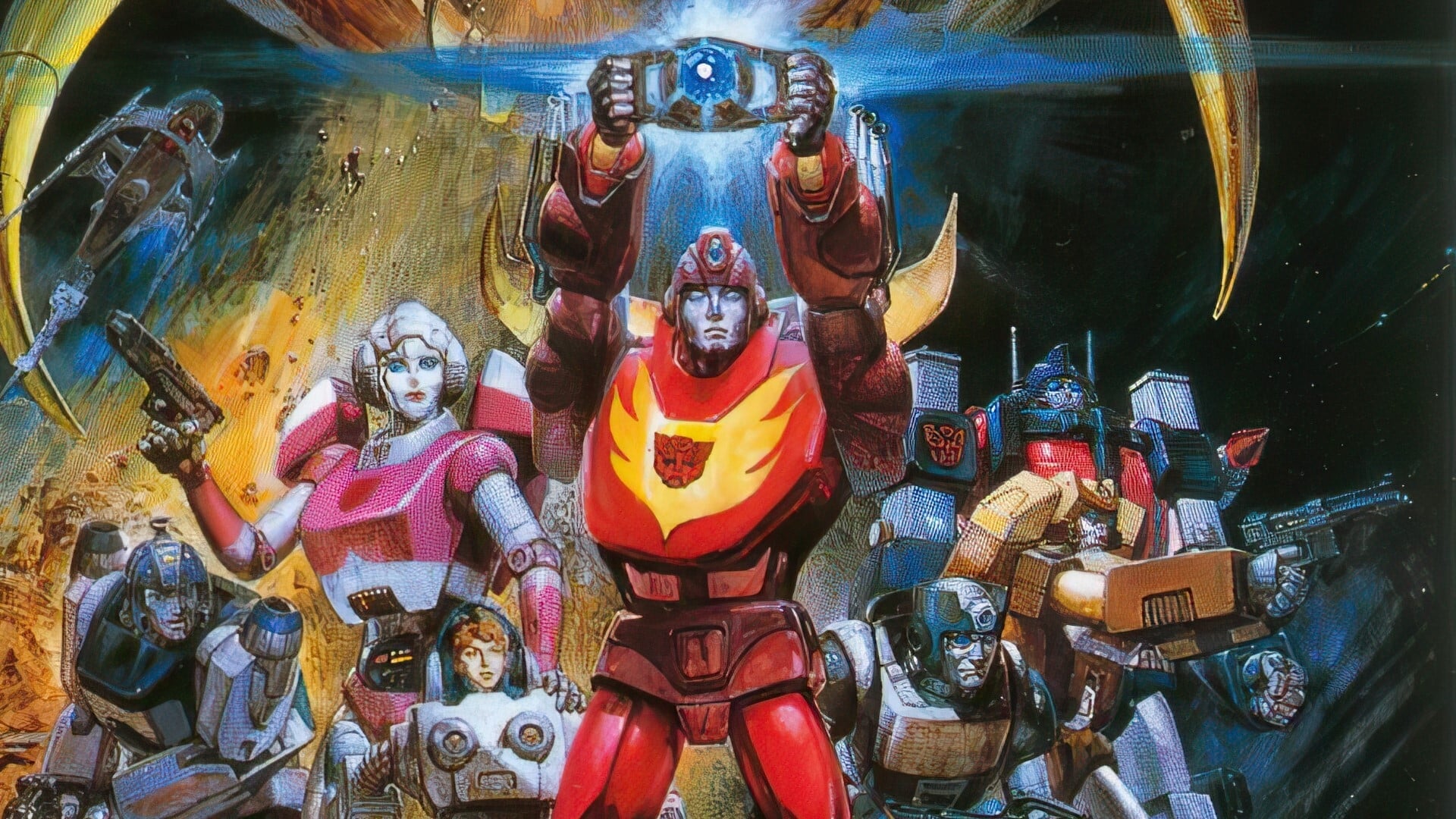
But watching it again the other night, the room felt a little too quiet. I caught myself looking at the empty space on the couch, deeply missing Matthew. We probably watched that tape a dozen times or more.
We should have watched it at least a dozen more... together.